Hang something on a plaster wall without cracking it
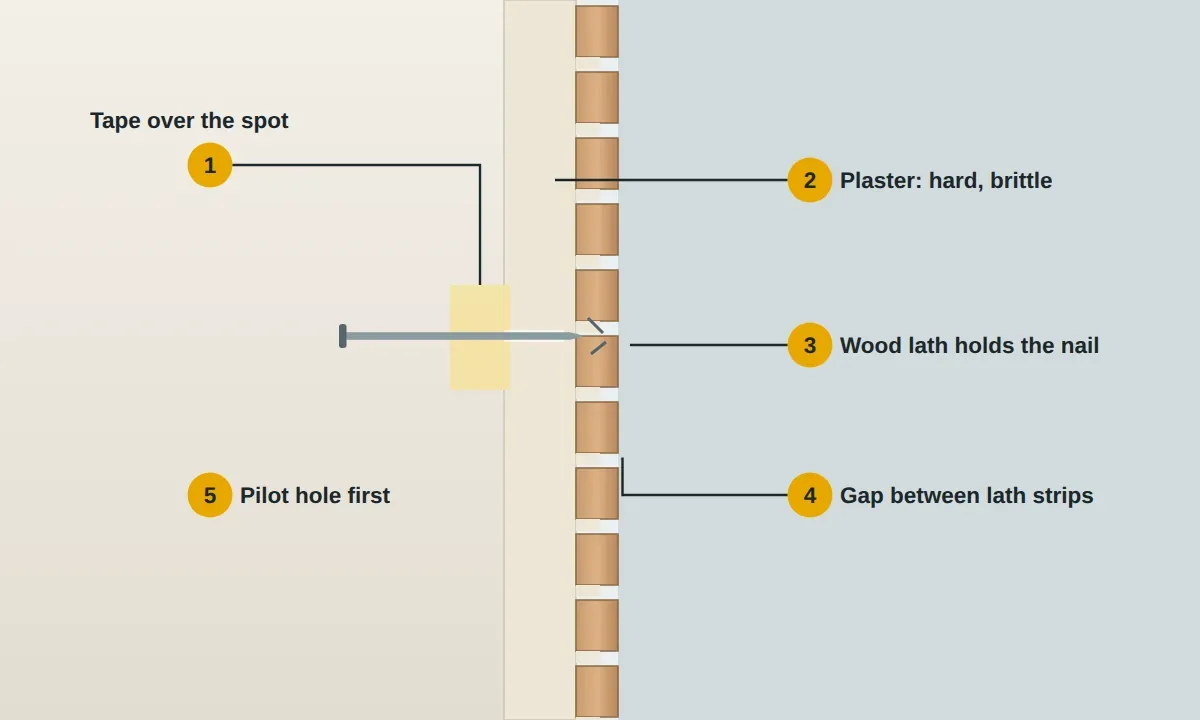
Plaster is hard and brittle, so a nail hammered straight in can crack it or knock out a chunk. Put painter's tape over the spot, drill a small pilot hole, and nail or screw through the tape into the wood lath behind. For heavier things, find a stud or use an anchor made for plaster.
What's behind old plaster
Many older houses have plaster over narrow wooden strips called lath, with small gaps between them. The plaster itself doesn't hold a nail well; the lath behind it does. A pilot hole lets the nail or screw pass through the plaster without the shock that cracks it.
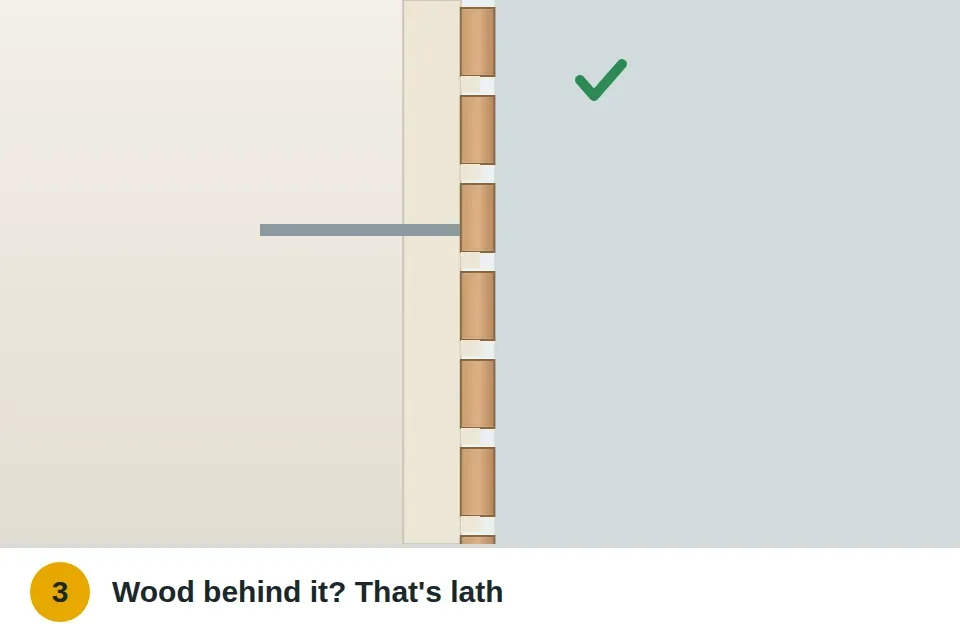
If the drill bit pushes into empty space after the plaster, you've found a gap between lath strips. Move up or down a little and try again.
Why plaster cracks
The shock cracks the brittle plaster.
The nail has nothing to grip.
A large nail splits the lath and cracks the plaster.
If the plaster has come away from the lath, it moves when you hammer.
| Hanging | Use | Notes |
|---|---|---|
| A light frame | Small nail or picture hook, with tape and a pilot hole | Aim for the lath. |
| A medium mirror or shelf | A screw into lath, or a plaster-rated anchor | Check the anchor's weight rating. |
| A heavy mirror | Screws into studs | Find the stud first. For a TV, get help. |
| Anything, if the plaster is loose | Stop | Have the wall repaired first. |
Let's fix it
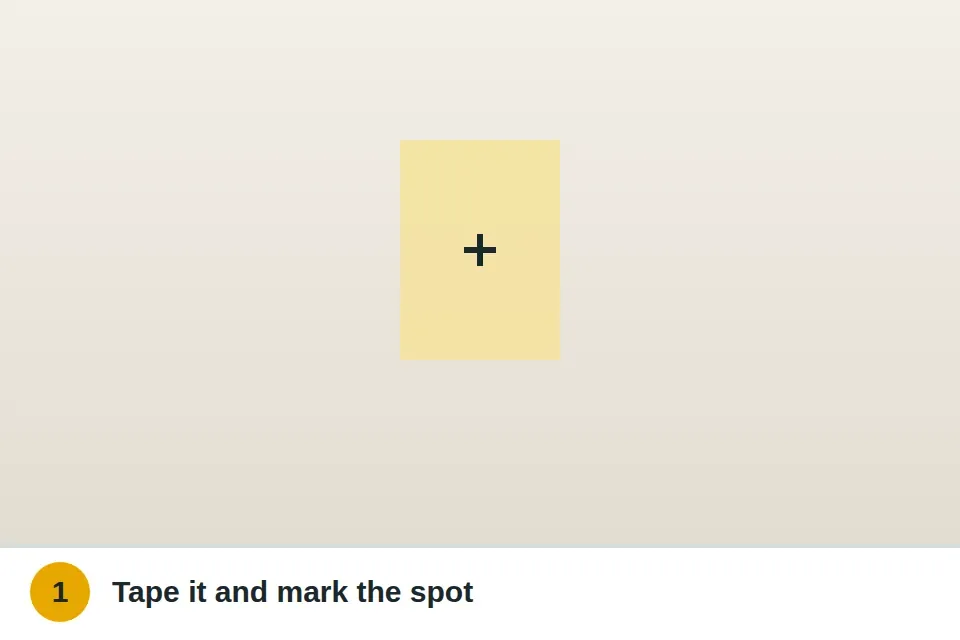
- Tape the spotPut a piece of painter's tape where the hole will go and mark the spot on it. The tape keeps the plaster around the hole from chipping.
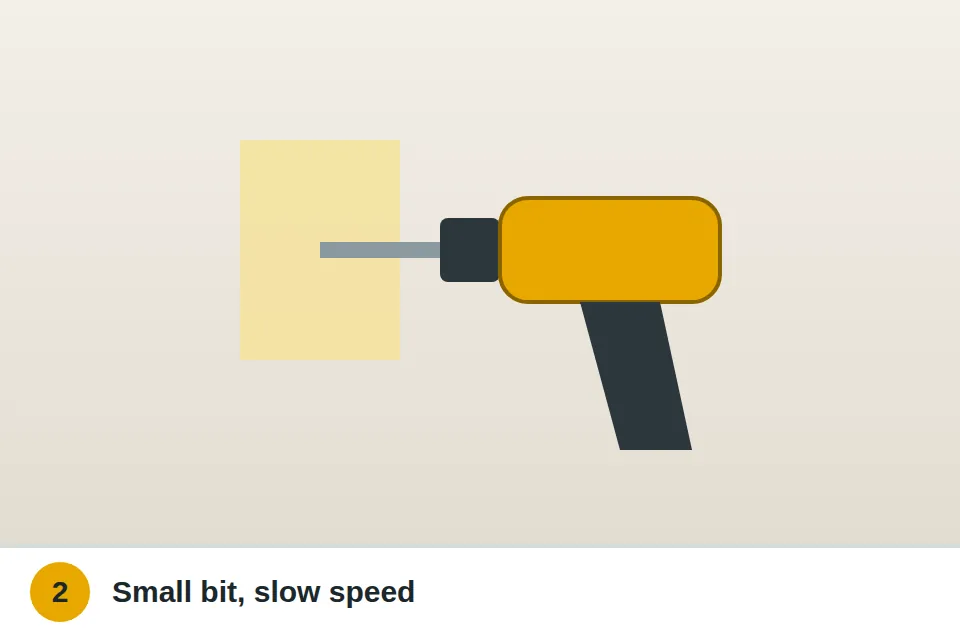
- Drill a pilot holeDrill slowly through the tape with a bit a little smaller than your nail or screw. You'll feel it go through the hard plaster, then into wood or into nothing.
- Check for lathIf the bit bites into wood, you've hit lath. If it pushes into empty space, move a little up or down and drill again, or plan on an anchor.
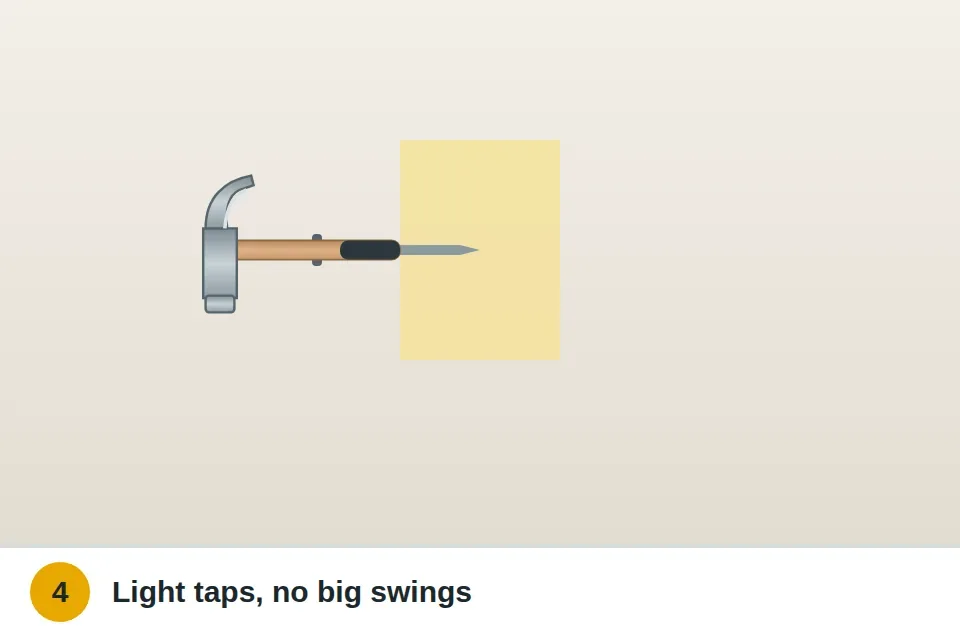
- Tap it in gentlyTap the nail in with light blows, or drive the screw, through the pilot hole into the lath. Let the pilot hole do the work; don't swing hard.
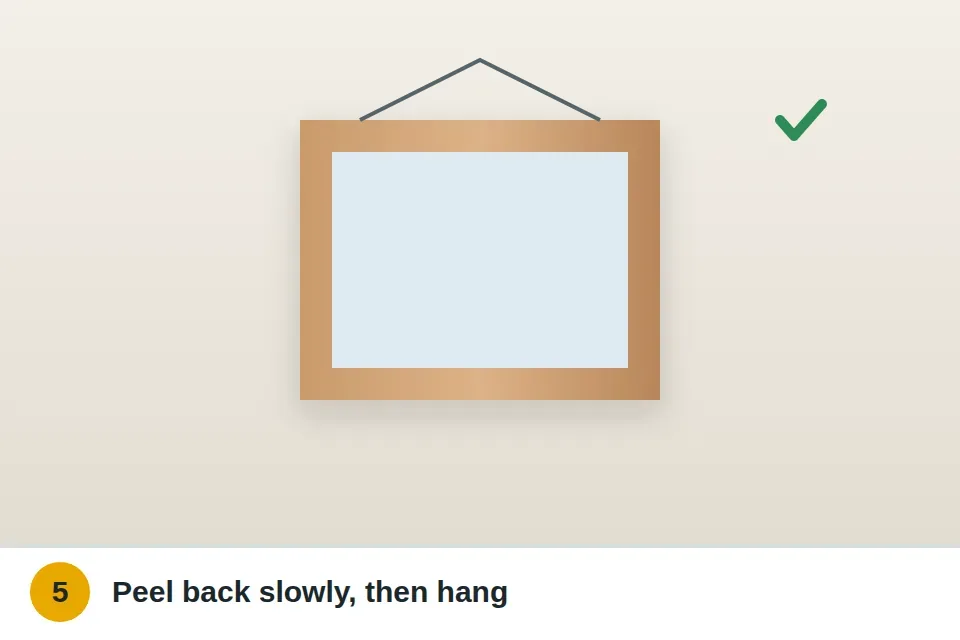
- Peel the tape and hang itPeel the tape off slowly, pulling it back along the wall, and hang the item. Check it's snug before you let go.
If it cracks or won't hold
If a small crack appears, stop, fill it with spackle, and try again a few inches away with a smaller pilot hole.
If the nail spins or pulls out, you missed the lath. Use an anchor or toggle made for plaster, or find the stud for anything heavy.
What a pro typically charges (a rough estimate; prices vary by area): A handyman typically charges $75–$150 to hang several heavy items on plaster walls. Plaster repair costs more.
Related wall jobs
Plaster wall questions
Can I use drywall anchors in plaster?
Some are made for plaster, but many drywall-only anchors crumble in it. Look for plaster on the package, or use toggle bolts.
How do I find a stud in a plaster wall?
Electronic stud finders often struggle with plaster. A strong magnet that finds the nails, or measuring from an outlet, usually works better. Our stud-finding guide covers both.
Why does plaster crack when I hammer a nail?
Plaster is brittle, and a hammer blow shocks it. Tape and a pilot hole prevent most cracks.
Can I use adhesive strips on plaster?
On smooth, sound, painted plaster, for light items within the package rating. Textured or dusty plaster won't hold them.
If I rent, can I put holes in plaster walls?
Check your lease. Many landlords allow small nail holes; bigger anchors may need permission.
Still stuck? Ask us
Tell us what you're seeing and what you've tried. We read every question, and the ones that will help other people get answered on this page.