Patch a hole in drywall
Whether it's a doorknob that punched through, a wall full of anchor holes from the last tenant, or a dent from moving day, repairing a hole in drywall is one of those skills that pays for itself the first time. It doesn't take talent. It takes thin coats and a little patience.
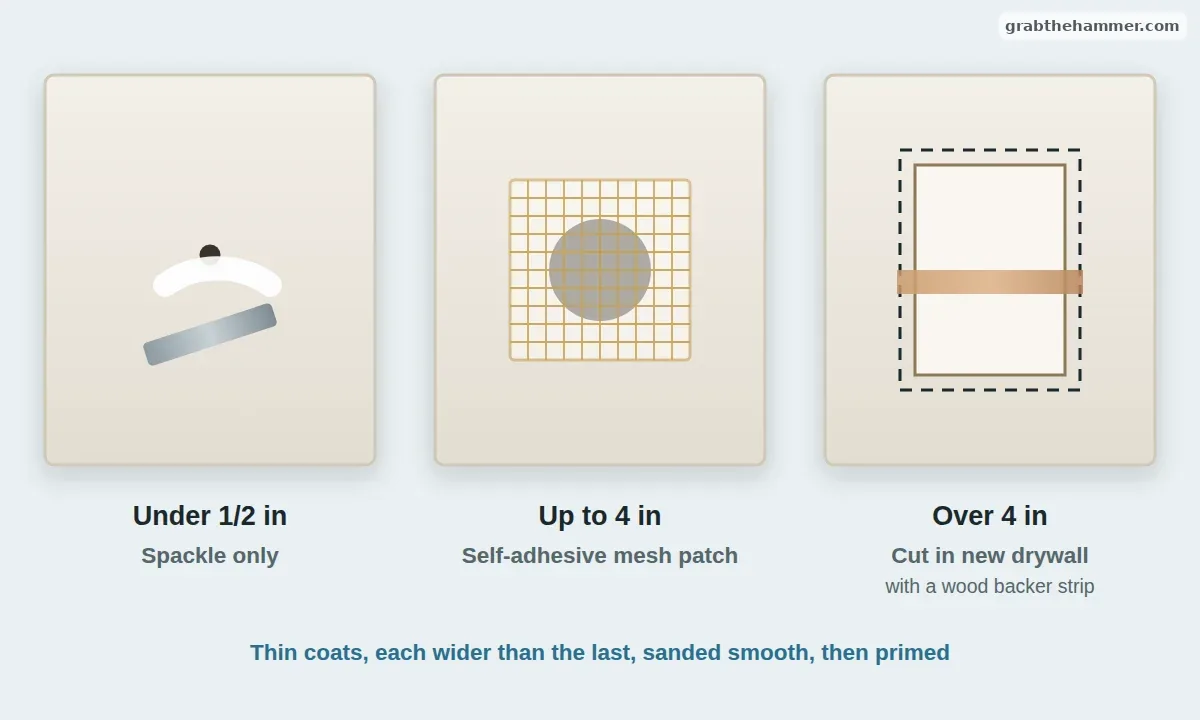
What's actually going on
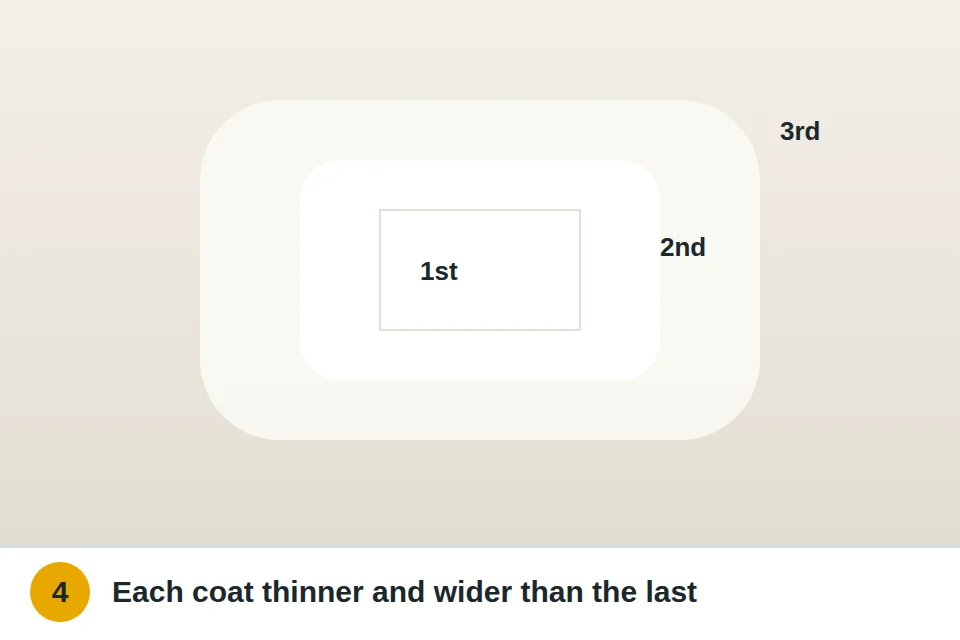
The biggest mistake beginners make is one thick coat of compound. It shrinks, cracks, and leaves a bump you can see from across the room. Pros put on two or three thin coats, each one wider than the last, so the edges fade into the wall.
Why it happens
Tiny and fast. Spackle fills them in a minute.
Usually 2 to 4 inches across, right at knob height. A self-adhesive mesh patch handles them.
Plastic anchors often pull out a chunk of gypsum. Treat them like a medium hole.
Anything bigger than your hand needs a new piece of drywall cut in, with a wood backer behind it for support.
Let's fix it
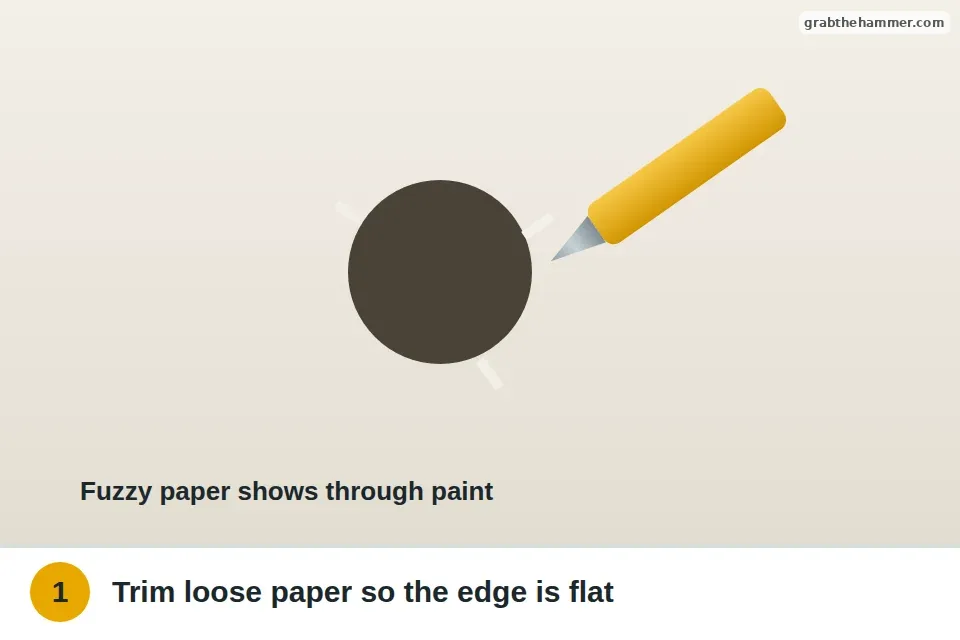
- Clean up the edgesTrim loose paper and crumbled gypsum with a utility knife so the surface is flat. Fuzzy paper edges will show through paint.
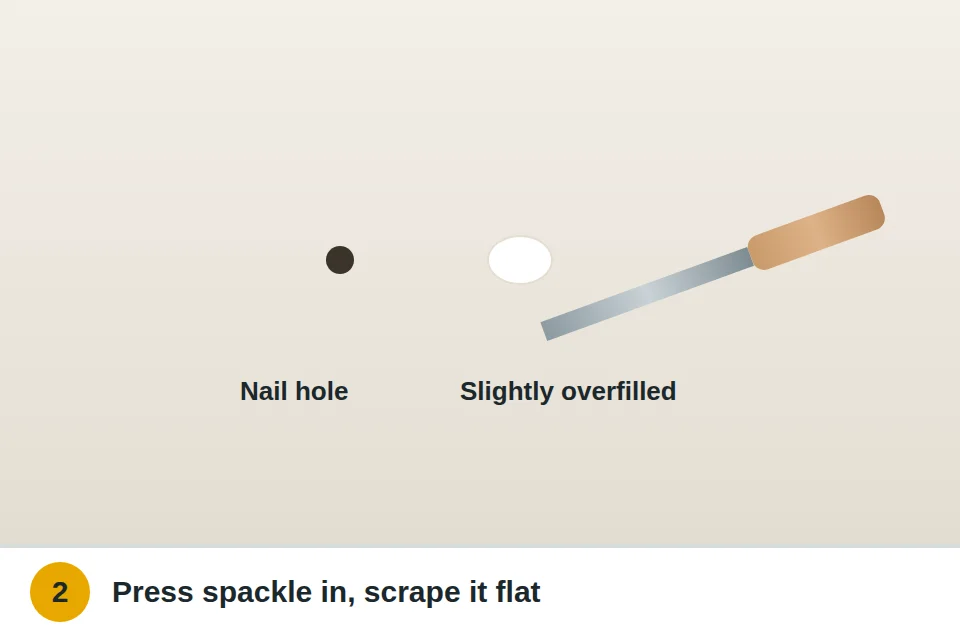
- Fill small holesPress spackle in with the knife, then scrape it flat. Slightly overfill, because it shrinks as it dries.
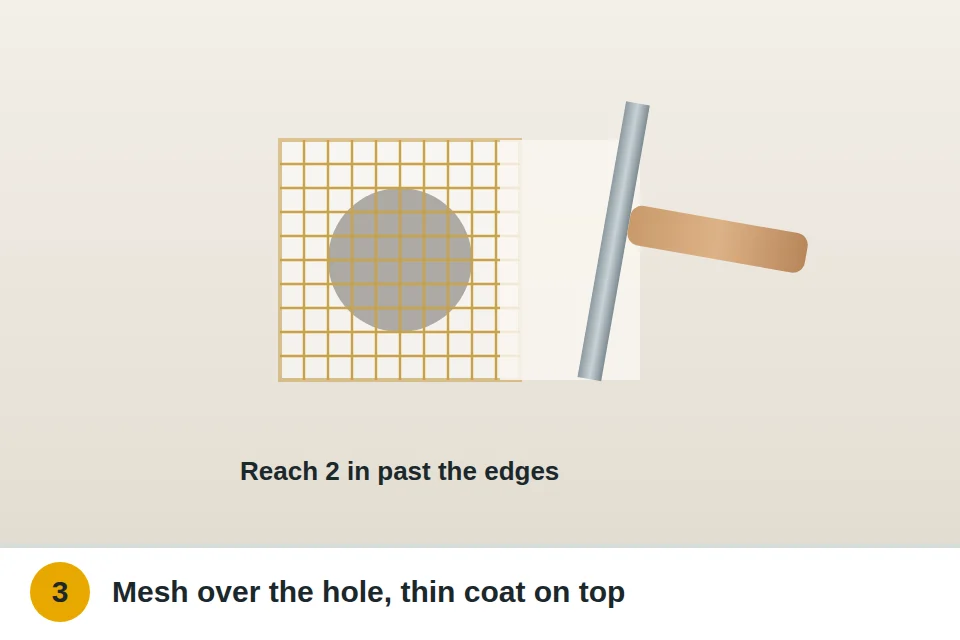
- Cover medium holes with meshStick a mesh patch over the hole, then spread a thin coat of compound over it, reaching about two inches past the edges.
- Feather and repeatOnce it's dry, add a second thin coat that's wider than the first. Thin and wide beats thick every time.
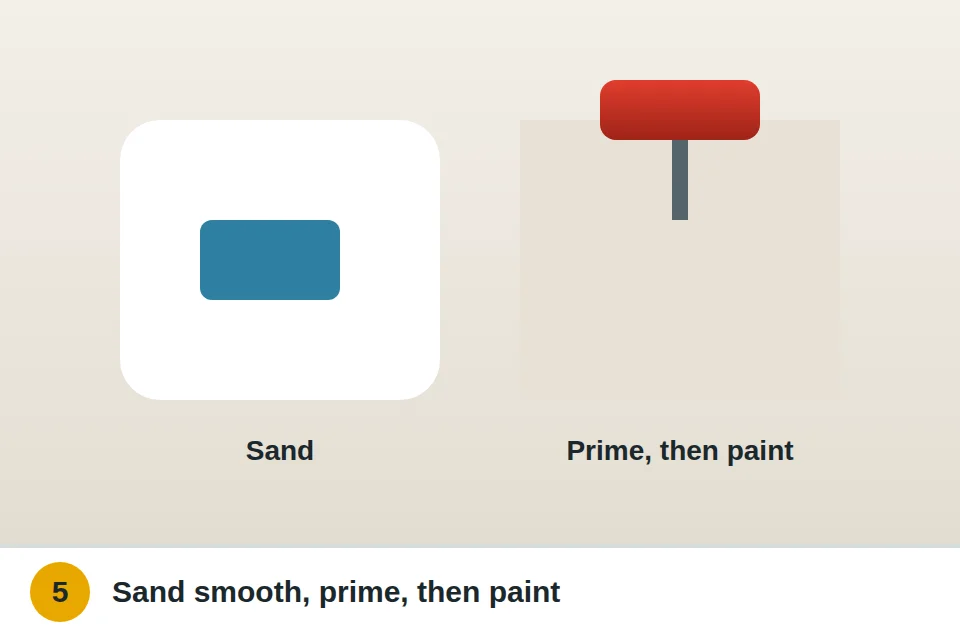
- Sand, prime, paintSand lightly until you can't feel the edge with your fingertips. Prime before painting, or the patch will show as a dull spot.
Still not fixed?
Can you see the patch through the paint? That's almost always from skipping primer. Bare compound absorbs paint differently than the wall around it.
If the patch looks like a raised bump, feather it wider. Add a thin coat that reaches 3 or 4 inches beyond the edge and sand it smooth. To match textured walls, use spray-can texture after sanding.
What a pro charges: A handyman typically charges $100–$300 for small drywall patches, including paint touch-up.
Common questions
Spackle or joint compound?
Spackle for small holes, since it dries fast and shrinks less. Joint compound for mesh patches and larger areas.
Why does my patch show through the paint?
It wasn't primed. Bare compound absorbs paint differently from the wall around it. Prime the patch first.
How do I match the wall texture after patching?
For light orange-peel texture, spray-can texture works well. Practice on cardboard first, and let it dry before priming.