Touch up wall paint so it doesn't show
A touch-up shows when the new paint doesn't quite match the old: a different sheen, a slightly different color, or a different texture from the way it went on. Using the original paint, applying it the same way and feathering the edges usually makes it blend. When it won't, painting the whole wall to the corners is what makes the difference invisible.

Why touch-ups show
Paint changes after it goes on the wall. It fades a little with light, and sheen, from flat to semi-gloss, reflects light differently if it's even slightly off. That's why a patch can be exactly the right color and still show as a shiny or dull spot.
The best touch-ups are small and thin. The bigger and thicker the patch, the more likely it is to show.
What makes a patch stand out
Even the same color looks different in eggshell and satin.
Walls change color slightly with light and age.
Brush marks on a rolled wall, or a thick coat, catch the light.
Spackle absorbs paint and leaves a dull spot.
| What you see | Likely cause | Fix |
|---|---|---|
| A shiny or dull spot | Sheen mismatch or an unprimed patch | Prime; repaint the wall. |
| A slightly different color | Faded wall or a poor match | Match from a wall chip; paint to the corners. |
| A raised outline | A thick coat or no feathering | Sand lightly; thin, feathered coat. |
| Brush marks on a smooth wall | A different tool | Use the same kind of roller. |
Let's fix it
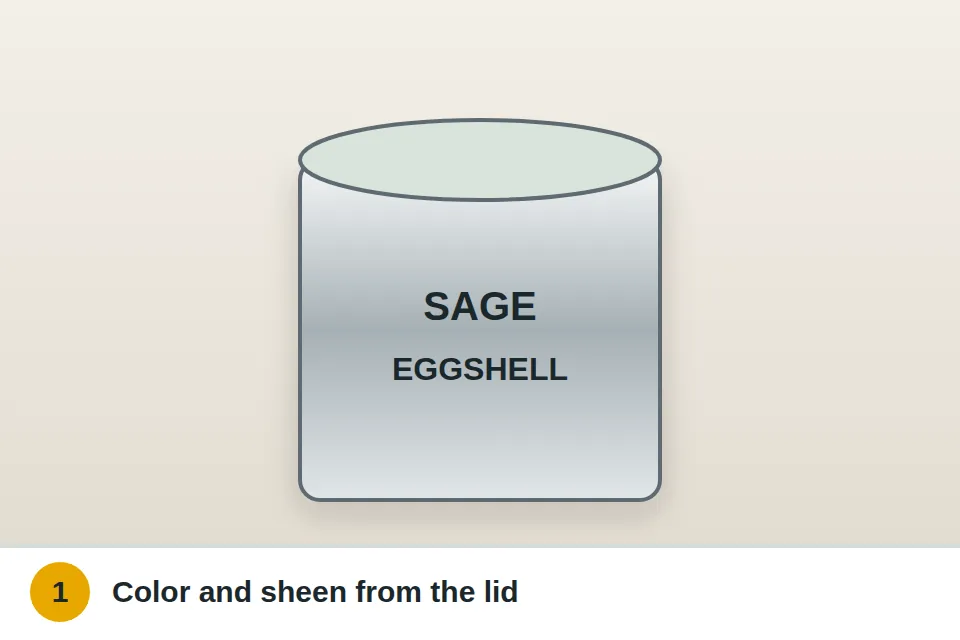
- Find the original paintLook for leftover cans with the color name and sheen on the lid. If there aren't any, cut a small piece of paint from a hidden spot, like inside a closet or behind a switch plate, and have a paint store match it. In a home built before 1978, test for lead before cutting old paint.
- Clean the spotWipe the area with mild soapy water, rinse and let it dry. Paint won't blend over grease or grime.

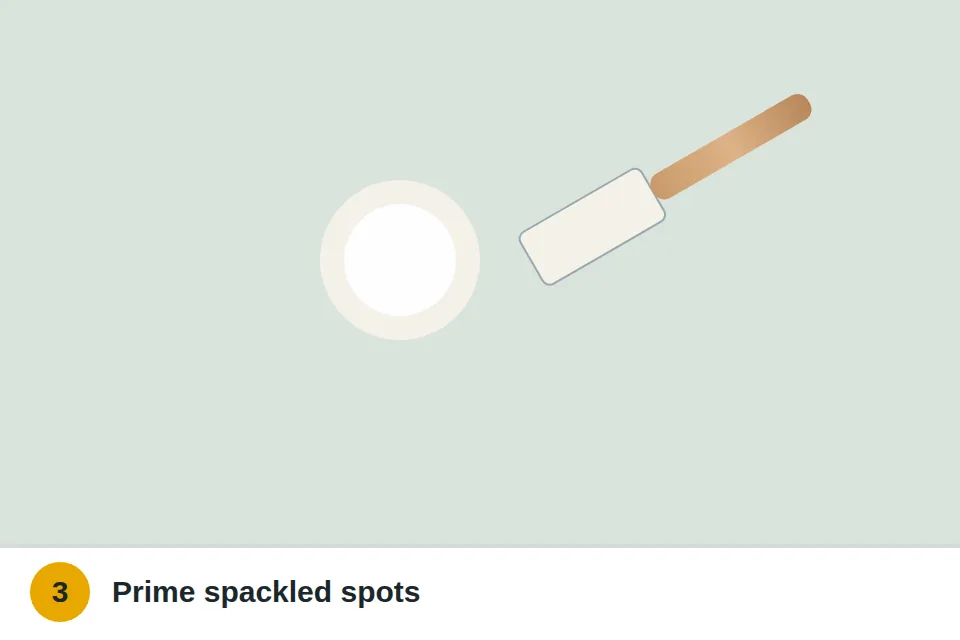
- Prime any repairsSpackle and joint compound soak up paint differently from the wall around them. Prime patched spots first so the finish comes out the same.
- Apply it the same wayStir the paint well. Use a roller if the wall was rolled and a brush if it was brushed. Put on a thin coat, then feather the edges outward with a nearly dry roller or brush.

- Let it dry and check itLook at it the next day in normal light and from an angle. If you can still see it, repaint the whole wall from corner to corner.

If you can still see it
If the patch is shiny or dull but the color looks right, it's the sheen or an unprimed patch. Prime if needed and repaint from corner to corner.
If the color is off, the wall may have faded. Have a store match a chip from the wall itself, not the old can, and paint the whole wall.
What a pro typically charges (a rough estimate; prices vary by area): A painter typically charges $200–$500 to repaint an accent wall or a small room, more for high ceilings.
Related wall jobs
Paint touch-up questions
Can I touch up with a small brush?
On small nicks, yes. On a rolled wall, a small foam or nap roller blends better than a brush.
How long does leftover paint last?
Unopened latex paint can last years if it's kept from freezing and heat, and a well-sealed opened can keeps well too. If it's lumpy or smells sour, don't use it. The label may list a shelf life.
Why does my touch-up look darker?
Wet paint often looks darker, so wait until it's fully dry. If it's still darker, the wall has faded or the sheen is different.
Do I have to repaint the whole wall?
If careful touch-ups still show, yes. Paint from corner to corner so there's no edge for the eye to catch.
Will a touch-up be noticed when I move out of a rental?
It can be, if the sheen or color is off. Ask your landlord for the paint details, or ask whether they'd rather do it themselves.
Still stuck? Ask us
Tell us what you're seeing and what you've tried. We read every question, and the ones that will help other people get answered on this page.