Refrigerator door not sealing
A refrigerator door that doesn't seal lets warm air in, so the fridge runs longer, frost builds up and food spoils faster. Most of the time the rubber gasket is dirty, kinked or the fridge isn't tilted back enough for the door to swing shut on its own. Those take a few minutes to fix. A torn gasket is replaced as one piece, usually without tools beyond a screwdriver. Most fridge seals just need cleaning and a little tilt.

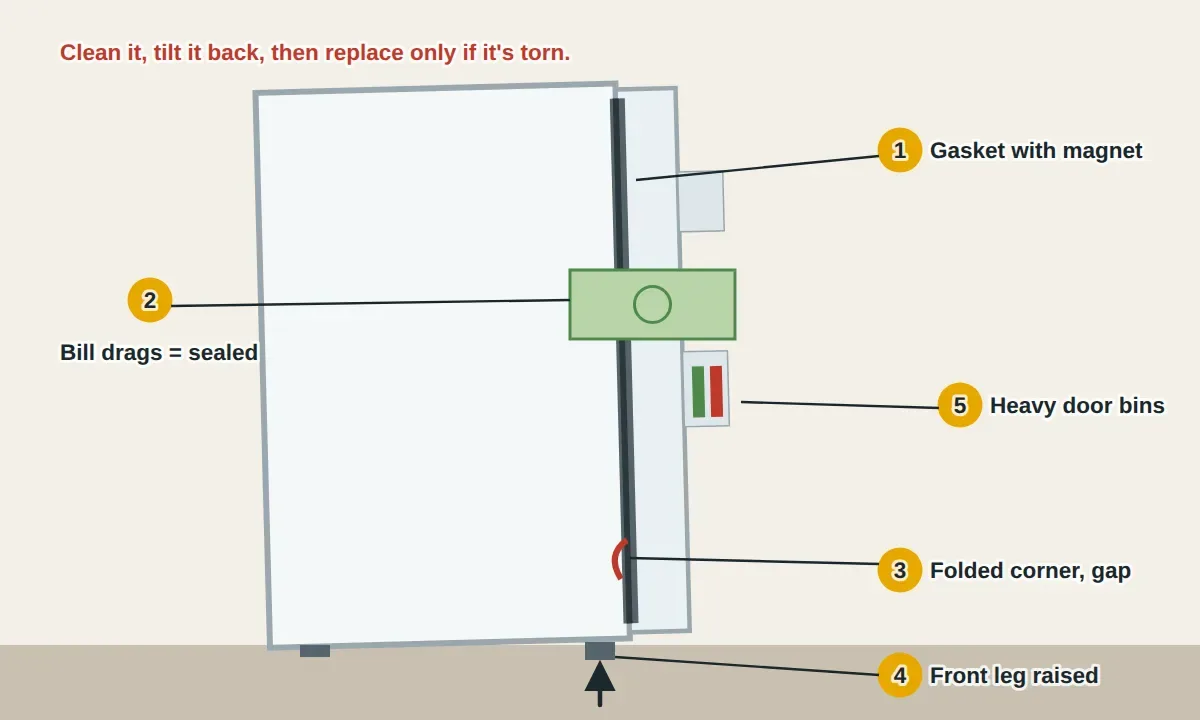
How a refrigerator door seals
The door gasket is a soft rubber or vinyl seal with a magnetic strip inside. When the door closes, the magnet pulls the gasket flat against the cabinet all the way around. Most fridges are set up with the front a little higher than the back, so the doors swing closed by themselves and press the gasket tight.
Gaskets get sticky with spills and crumbs, fold over in the corners, flatten from years of use, and tear near the handle side where they're pulled most. A fridge that's been moved or bumped may also lose its backward tilt, and a heavy door full of bottles can sag enough that the gasket no longer meets the cabinet on one side.
Why the seal fails
Spills keep it from lying flat.
Gaps at the corners.
Doors don't swing shut.
The door sags on one side.
A split near the handle.
| You notice | Likely cause | Start at |
|---|---|---|
| Bill slides out in one spot | Dirty or folded gasket | Step 2 |
| Door doesn't swing shut | Fridge not tilted back | Step 3 |
| Gap at a corner | Warped gasket | Step 4 |
| Door sags on the handle side | Heavy bins or loose hinge | Step 5 |
| Gasket is split | Torn gasket | Step 6 |
Let's fix it
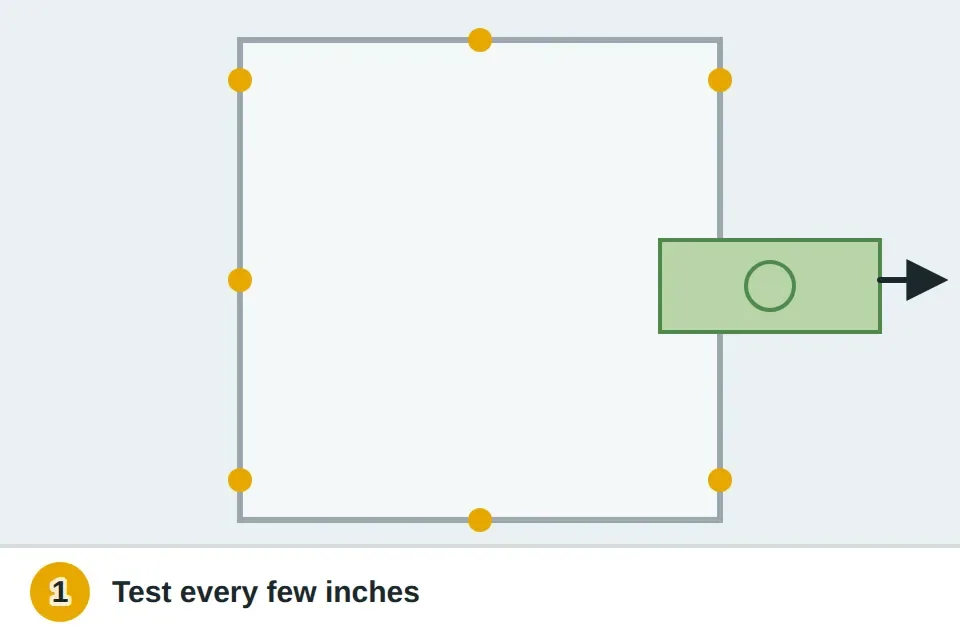
- Test the sealClose the door on a dollar bill and pull it out. You should feel it drag. Try it every few inches all the way around the door, including the hinge side and the corners. Places where the bill slides out freely are where the seal is failing. At night, a flashlight left on inside the fridge will show light leaking through gaps.
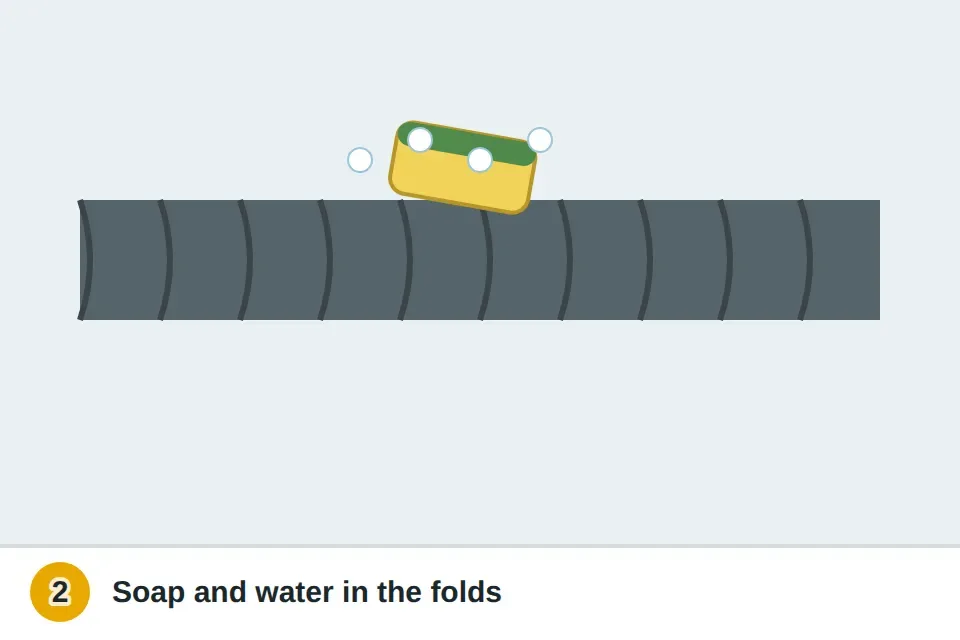
- Clean the gasketWash the gasket and the cabinet surface it touches with warm, soapy water, getting into the folds. Use a paste of baking soda and water on sticky spots, then rinse and dry it. Skip harsh cleaners and bleach; they dry out the rubber. A clean gasket often seals again on its own.
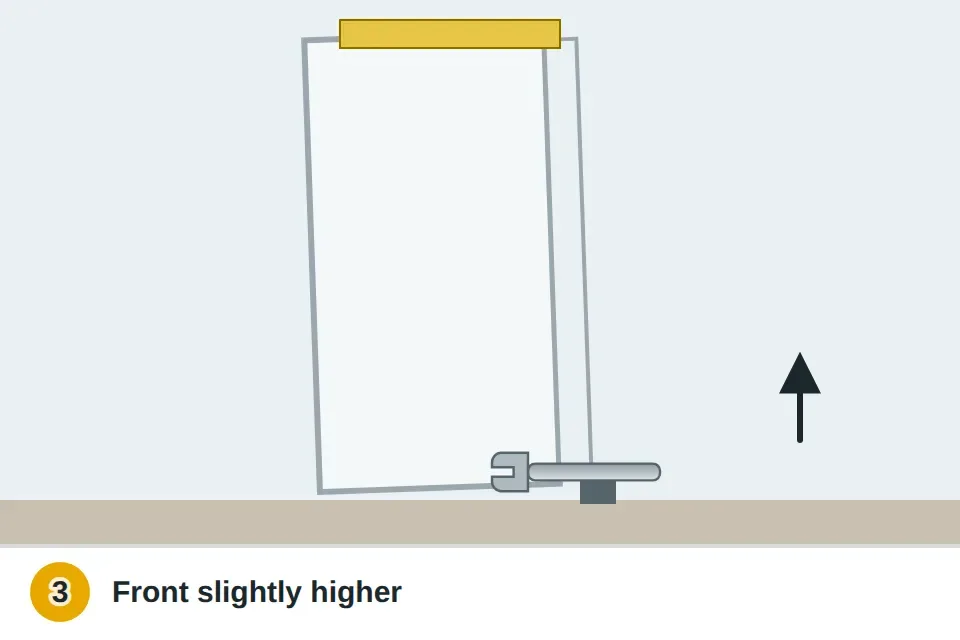
- Level the fridgeSet a level on top of the fridge. It should be level side to side and tilted slightly back so the doors close themselves. Take off the toe grille and turn the front leveling legs or roller screws to raise the front a little. Open each door partway and let go; it should swing closed and seal.
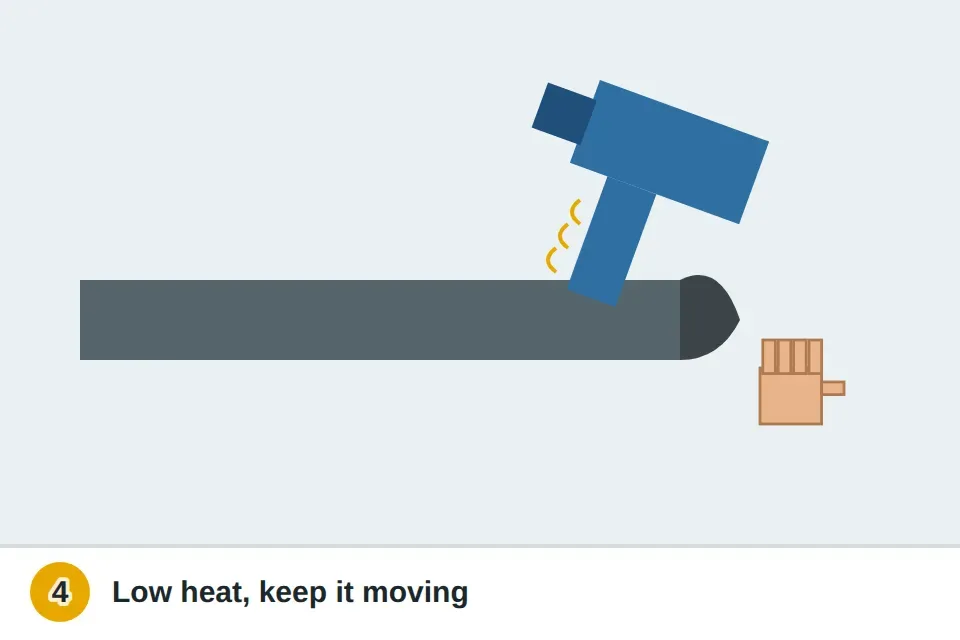
- Reshape a warped gasketIf a corner or section is folded or flattened, warm it with a hair dryer on a low setting, keeping it moving a few inches away, until the rubber is soft. Gently pull the fold out with your fingers, then close the door and leave it shut for an hour so the gasket sets against the cabinet.
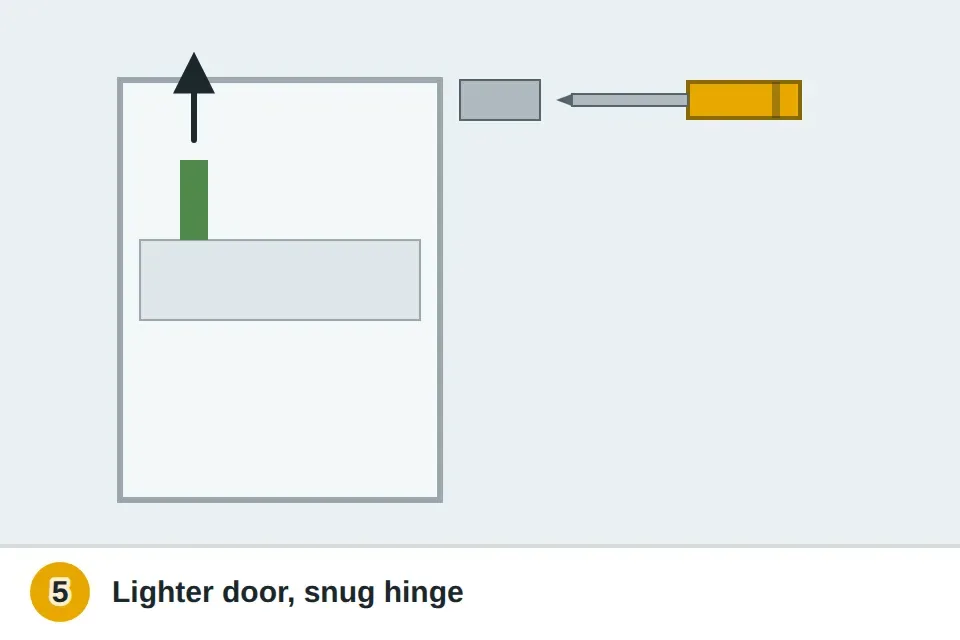
- Lighten the door and check the hingeTake heavy jars and bottles out of the door bins and see if the door now sits even with the cabinet. If the door still sags on the handle side, check the top hinge screws and tighten them. If the doors are uneven with each other, many models have an adjusting screw or nut at the bottom hinge; your manual shows it.
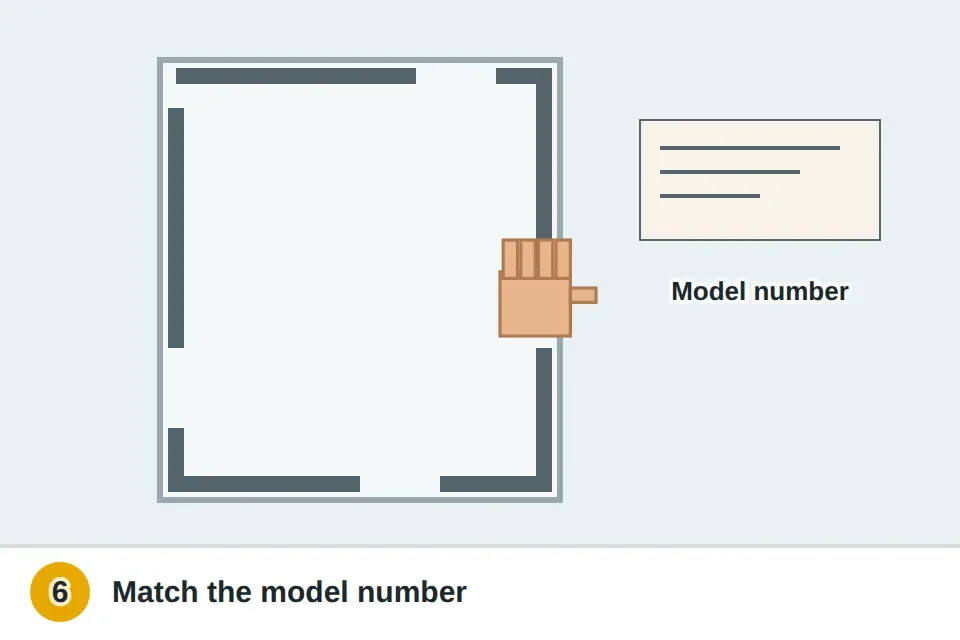
- Replace a torn gasketOrder a gasket by your model number, on the label inside the fridge. On some models the gasket is only sold with the whole door; the parts listing will say. Soak the new one in warm water or warm it with a hair dryer to get the kinks out of the packaging. Many gaskets push into a channel around the door and pull out by hand. Others are held by screws under the gasket's inner lip; loosen those screws a few turns, slide the old gasket out, slide the new one in, and tighten them again. Work one side at a time.
Watch it done
- The dollar bill drags all the way around
- The door swings shut by itself
- No new frost or sweating at the door edge
Seal good but still warm? See the refrigerator not cooling guide.
If it's still not cold
If the seal is good but the fridge still isn't cold, see the guide for a refrigerator not cooling.
If frost keeps building up in the freezer, see the guide for freezer frost buildup.
What a pro typically charges (a rough estimate; prices vary by area): An appliance repair visit usually runs $100–$200, and replacing a door gasket typically costs $150–$350 with the part.
Find appliance repair near youSomething else going on?
Refrigerator door seal questions
How do I know if my refrigerator door seal is bad?
Close the door on a dollar bill all the way around. If it slides out with no drag in spots, the seal isn't touching there.
How do I fix a refrigerator door that won't seal?
Clean the gasket, level the fridge so it tilts back slightly, warm out any folds with a hair dryer on low, and lighten the door bins. Replace it if it's torn.
Can I replace a refrigerator door gasket myself?
Yes. Order it by model number. Most push into a channel or slide under screws you loosen a few turns.
Why won't my refrigerator door close by itself?
The fridge has probably lost its backward tilt. Raise the front leveling legs a little so the doors swing shut.
What happens if my fridge door doesn't seal?
Warm air gets in, so the fridge runs more, frost builds up and food spoils faster.