Weatherstrip an exterior door
If you can see daylight around a closed door, feel a draft or hear more street noise than you should, the weatherstripping has worn out. Replacing it is cheap, takes under an hour, and makes a real difference in drafts and heating bills. Most modern doors take a foam strip that just presses into a slot in the frame. Take a piece of the old strip to the store. There are a dozen profiles, and they don't mix.


How a door seals
Exterior doors seal in two places: weatherstripping around the sides and top of the frame that the door presses against, and a door sweep or threshold seal at the bottom. Over time foam flattens, rubber cracks and sweeps wear down.
Most steel and fiberglass doors use compression weatherstrip with a fin that pushes into a slot, called a kerf, in the frame. Older wood doors often use adhesive foam, V-shaped strips or strips nailed to the stop.
Why doors get drafty
Worn out from years of use.
Gaps at the bottom.
The sweep doesn't reach it.
Gaps wider on one side.
| You find | Likely cause | Fix |
|---|---|---|
| Paper slides out at the sides or top | Worn weatherstrip | Replace the strip. |
| Light under the door | Worn sweep or low threshold | New sweep; raise the threshold. |
| Gap wider at one corner | A sagging door | Fix the hinges first. |
| Draft at the bottom corners | Missing corner pads | Add foam corner pads. |
Let's fix it
- Find the draftsClose the door on a sheet of paper at several spots around the frame. If it slides out easily, that spot isn't sealing. On a windy day, hold a damp hand or a stick of incense near the edges to feel or see the draft.

- Pull out the old stripGrab the end of the old weatherstrip and pull it out of the slot in the frame. For adhesive foam, peel it off and scrape the leftover glue with a putty knife. Take a piece to the store so you can match it.

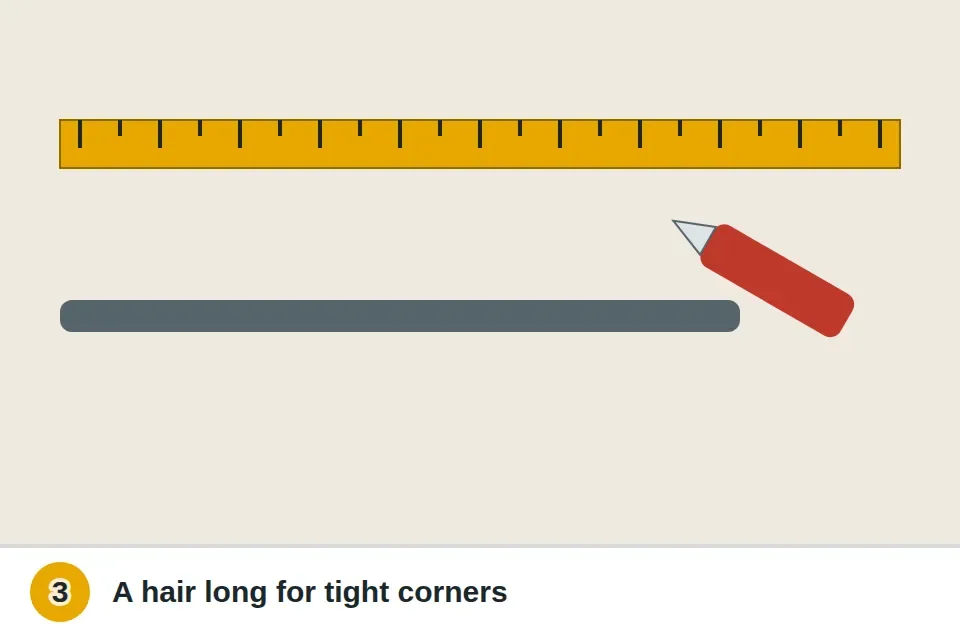
- Measure and cutMeasure each side and the top of the frame. Cut the new weatherstrip to length with a utility knife or scissors, leaving it a hair long so the corners meet tightly.
- Install the new stripStarting at the top, press the fin into the slot with your thumb, working along the frame. Then do each side, pushing the ends snugly into the corners. For adhesive strip, clean the surface first and press it on firmly.

- Replace the door sweepOpen the door and look at the sweep along the bottom. If it's torn or doesn't touch the threshold, slide or unscrew the old one and install a new one of the same type.

- Adjust the thresholdMany thresholds have screws that raise the center strip. Turn them a little at a time until the sweep touches it evenly when the door is closed. It should seal without dragging.

- Test the doorClose and lock the door. It should latch without slamming. Repeat the paper test; the paper should feel snug everywhere.

Watch it done
- Paper closed in the door feels snug everywhere
- The sweep touches the threshold evenly
- The door latches without slamming
- No draft on a windy day
If it's still drafty
If the storm door won't close on its own, there's a separate guide for a storm door that won't close.
If the gap is wider at the top on the latch side, the door is sagging. Tightening the hinge screws, or replacing one screw in the top hinge with a 3-inch screw that reaches the , often pulls it back square before you weatherstrip.
If cold still comes in under the door, check the threshold and the corners at the bottom. Small foam corner pads fill the gap where the weatherstrip and sweep meet.
What a pro typically charges (a rough estimate; prices vary by area): A handyman typically charges $100–$250 to weatherstrip an exterior door, including materials.
Find a handyman near youSomething else going on?
Door weatherstripping questions
How do I know if my door weatherstripping is bad?
Close the door on a sheet of paper. If it slides out easily, or you can see daylight, the strip isn't sealing.
What type of weatherstrip do I need?
Most steel and fiberglass doors use a foam strip that presses into a slot. Take a piece of the old one to the store to match it.
Why won't my door latch after new weatherstripping?
The strip may be too thick. Try a thinner one or adjust the strike plate slightly.
How often should door weatherstripping be replaced?
When it's flattened, cracked or torn, often every few years on a busy door.
How do I stop a draft under the door?
Replace the door sweep and adjust the threshold until it seals without dragging.