Doors & windows

Stop drafts around windows

A draft doesn't always mean you need new windows. Cold air often gets in through worn weatherstripping or cracked caulk around the frame, and both are inexpensive to fix. Plan on about half an hour and less than $25 per window. On a windy day, a stick of incense or a damp hand run around the frame will show you exactly where the air is coming in.

Hands pressing foam weatherstripping into the gap along a window sash on a frosty winter day, with a candle on the sill
Foam weatherstripping seals the gap where a sash meets the frame.
Quick answerFind the leaks with incense or tissue, weatherstrip the parts that move, and caulk the gaps that don't.
Worth checking firstOn a windy day, hold a stick of incense or a strip of tissue around the frame, sash and trim. Watch where the smoke or tissue moves. That tells you whether you need weatherstripping on the sash, caulk around the trim, or both.

Good to knowCaulk calculatorFall checklist

Easy30 min per window$10–25
Double-hung window showing air leaks between sashes, along sash edges and around the trim
Where drafty windows leak: between the sashes (1) and along the sash edges (2), which need weatherstripping, and around the trim (3), which needs caulk.

Two kinds of gaps

Air gets past a window in two ways. Moving parts, where the sashes slide and meet, leak because there's a gap to allow movement; weatherstripping seals those. Fixed gaps, like where the frame meets the wall, leak because old caulk has cracked; fresh caulk seals those. Knowing which is which tells you what to buy.

Check inside too. The trim around the window on the inside wall often has gaps behind it, and a bead of paintable caulk there stops more cold air than you'd expect.

Where drafts come from

Worn weatherstripping

The strips that seal moving parts compress and crack over time.

Cracked caulk

The seal between the window frame and the wall dries out.

Sashes that don't meet

On double-hung windows, the two sashes need to be locked to seal together.

Failed glass seals

Fogging between double panes means the seal failed, which lowers insulation.

Which fix for which draft?
Where you feel itBest fix
Along the sides of a sliding or double-hung sashV-strip weatherstripping in the channels
Where the two sashes meet in the middleLock the window. Add foam or a brush strip if it's still leaky.
Along the bottom of the sashFoam tape on the bottom edge of the sash
Around the trim, inside the roomPaintable latex caulk along the trim edges
Where the outside trim meets the sidingExterior caulk, leaving the weep holes open
A window you never open in winterA shrink-film insulation kit for the season
Fog or moisture between the panesNot a draft. The glass seal failed, so the glass unit needs replacing.
Leave the weep holes openDon't caulk over weep holes on the outside bottom of the frame. They let water drain out.

Seal the gaps

0 of 5 done
  1. Find the leaksOn a windy day, slowly move a lit incense stick or a strip of tissue around the window edges. Where the smoke wavers or the paper flutters, air is getting through.
    Lit incense stick moved along a window edge, its smoke wavering where cold air leaks in
  2. Clean the surfacesWipe where the weatherstripping will go with rubbing alcohol. Adhesive won't stick to dust.
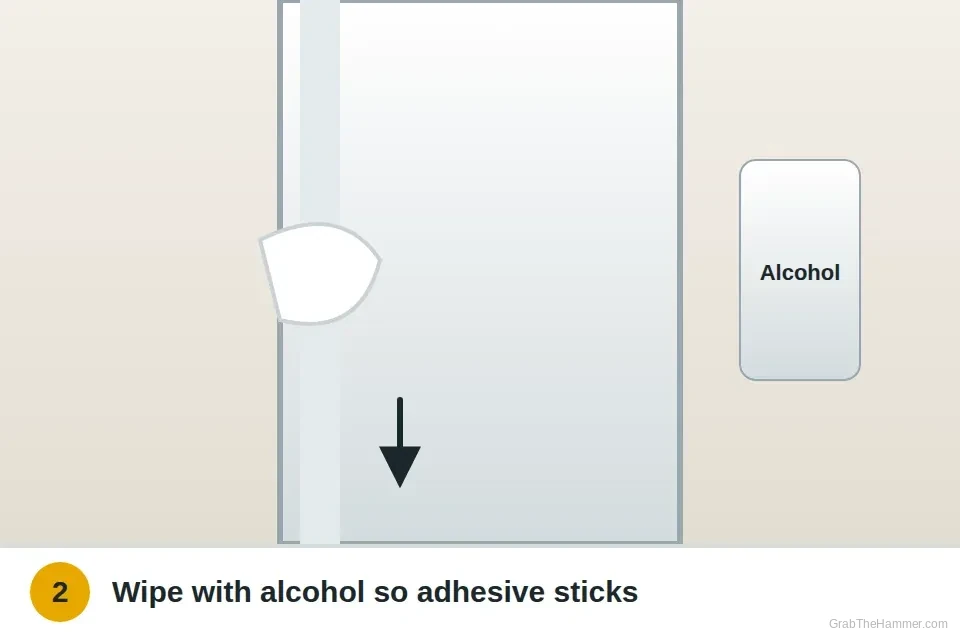
    Rubbing alcohol on a rag wiping the window sash channel so weatherstripping adhesive sticks
  3. Weatherstrip the moving partsApply V-strip along the sides of the sash channels and foam where the sashes meet or close. Test that the window still opens.
    Something went wrong?
    • The window won't close with the new strip The strip is too thick. Peel it back and use a thinner one on that side.
    V-strip weatherstripping pressed into the side channel of a window sash, and foam where the sashes meet
  4. Caulk the fixed gapsScrape out old, cracked caulk around the outside trim and run a fresh bead of exterior caulk.
    Fresh exterior caulk bead run where the window trim meets the siding
  5. Use the lock, then retestOn double-hung windows, the lock pulls the two sashes together, so keep them locked in winter. Repeat the incense or tissue test; smoke that stays steady means the gap is sealed.

    Window sash lock turned closed, pulling the two sashes tight together

Watch it done

How To Install WeatherstrippingBy Lowe's Home Improvement on YouTube. Their method may vary a little from ours.
Watch on YouTube
How you'll know it's fixed
  • Incense smoke stays steady around the window edges
  • Tissue doesn't flutter along the gaps
  • The window still opens and closes
  • The lock pulls the sashes snugly together

Still drafty? Check outlets and baseboards on outside walls too.

If the room still feels cold

Check the outlets and baseboards on outside walls too. Air comes in around them more than people expect.

For a temporary window draft fix, shrink-film insulation kits add a clear layer of trapped air for a season.

Heavy curtains or cellular shades closed at night help a lot with cold glass. It's not a draft; single-pane glass itself just loses heat fast.

For windows you never openKeep lit incense away from curtains and blinds while you test, and put it out in water when you're done.
Call a window pro ifFogging between double panes (a failed seal), soft or rotten wood, or windows that won't open at all.Fix it yourself or call? Compare the cost →

What a pro typically charges (a rough estimate; prices vary by area): Professional window sealing typically runs $100–$400 depending on the number of windows.

Find window repair near you

Something else going on?

Drafty window questions

How do I tell if my windows are drafty?

On a windy day, move a lit incense stick or strip of tissue along the edges. Wavering smoke or fluttering paper means a leak.

Is it worth replacing drafty windows?

Often not right away. Weatherstripping and caulk fix most drafts for a small fraction of the cost.

What's a quick temporary fix for a drafty window?

Rope caulk pressed into gaps or a shrink-film insulation kit works for a season and peels off in spring.

Should I caulk windows inside or outside?

Both, for different reasons. Outside caulk keeps rain out, so use exterior caulk and leave the weep holes open. Inside caulk around the trim stops air, and paintable latex caulk works well there.

Will weatherstripping stop my window from opening?

It can if it's too thick. Start with thin V-strip on moving parts, and open and close the window after each side to check it still slides.

Will caulk or weatherstripping stop condensation on the glass?

Not usually. Condensation comes from indoor humidity meeting cold glass. Running bathroom and kitchen fans and keeping humidity moderate helps more.

How do I seal drafty windows for winter?

Find the leaks with incense or tissue, weatherstrip the parts that move, and caulk the gaps that don't.

Reader reports

Did this fix work for you?

Tell the next person how it went. Your numbers are added to the totals anonymously; tips are read by our team before they appear.

How did it go?
Reader Q&A

Questions from readers

No questions on this guide yet. If you're stuck, ask below. Useful questions and answers get added here for the next person.

Ask a question

We read every question before anything is published, and we never show names or emails. Please leave out personal details. PrivacyAccessibility

About the authors

GrabTheHammer Team

  • No sponsored picks
  • Safety first
  • Tells you when to call a pro

We're a small team of writers and editors who check every guide against manufacturer instructions and common code requirements. Our goal is to help you understand the problem, tackle what you safely can and know when to call a pro.

Checked against: Manufacturer instructions for the parts and products involved, U.S. Department of Energy, ENERGY STAR.

How we write and review →
A helpful next stepCondensation on the inside of windowsMeasure the indoor humidity, run the exhaust fans, and keep air moving across the glass.