Change your HVAC air filter
The house feels dustier than it used to, and the energy bill crept up. Before you blame the weather, check the HVAC filter. A clogged one quietly makes your whole system work harder, and replacing it takes about two minutes once you know where it is and which way it faces.
What's actually going on
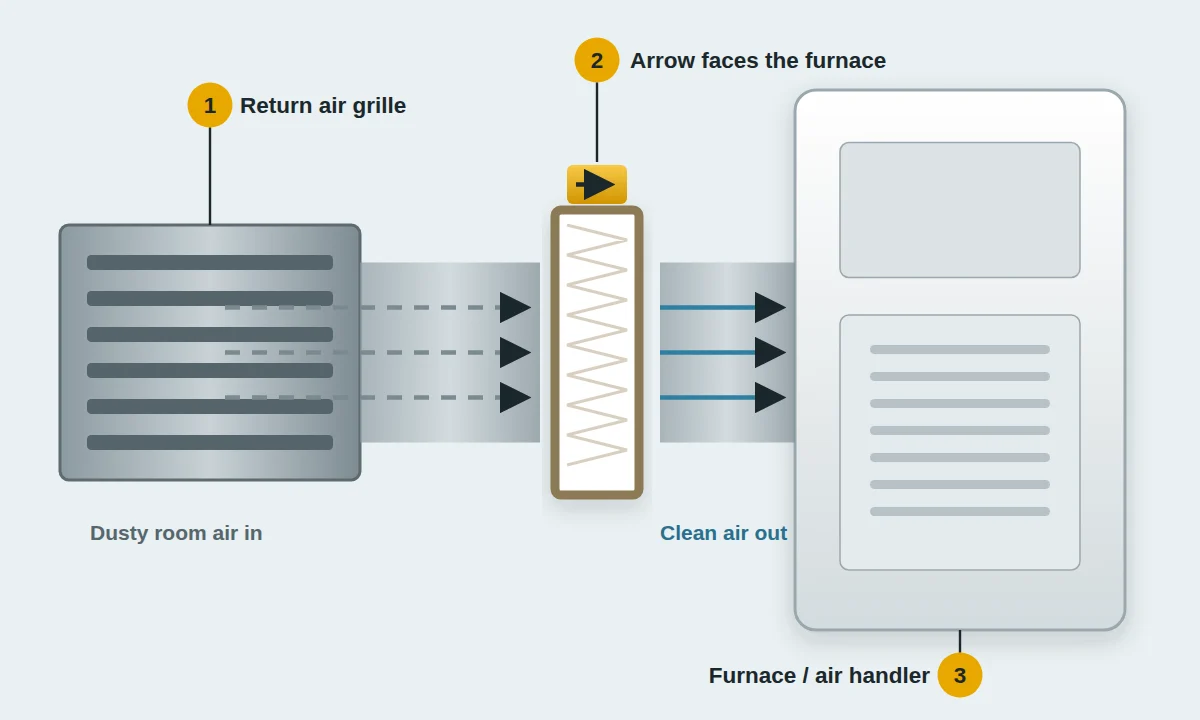
Your heating and cooling system pulls air through a filter before it ever gets heated or cooled. When that filter's clogged, the blower strains to pull air through it, like breathing through a pillow. Over months, that strain costs money and wears parts out early.
Why it happens
Dust, pet hair and pollen build up until the system is pulling air through a felt blanket.
A filter that's even half an inch small lets air sneak around the edges, dust and all.
Very fine filters catch more, but some older systems can't pull enough air through them.
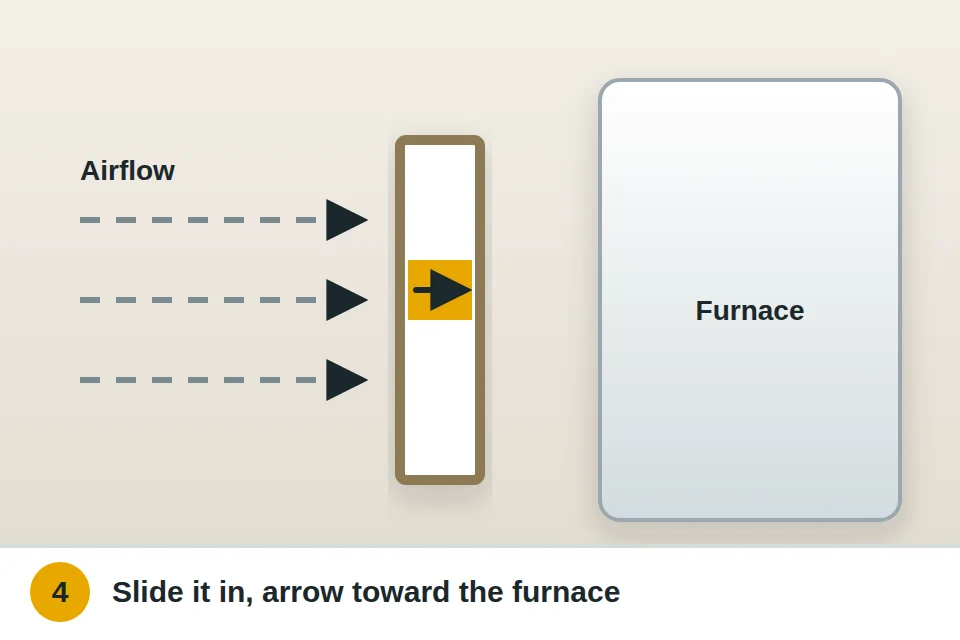
Filters are built to catch dust from one side. The arrow on the frame points toward the furnace.
Let's fix it
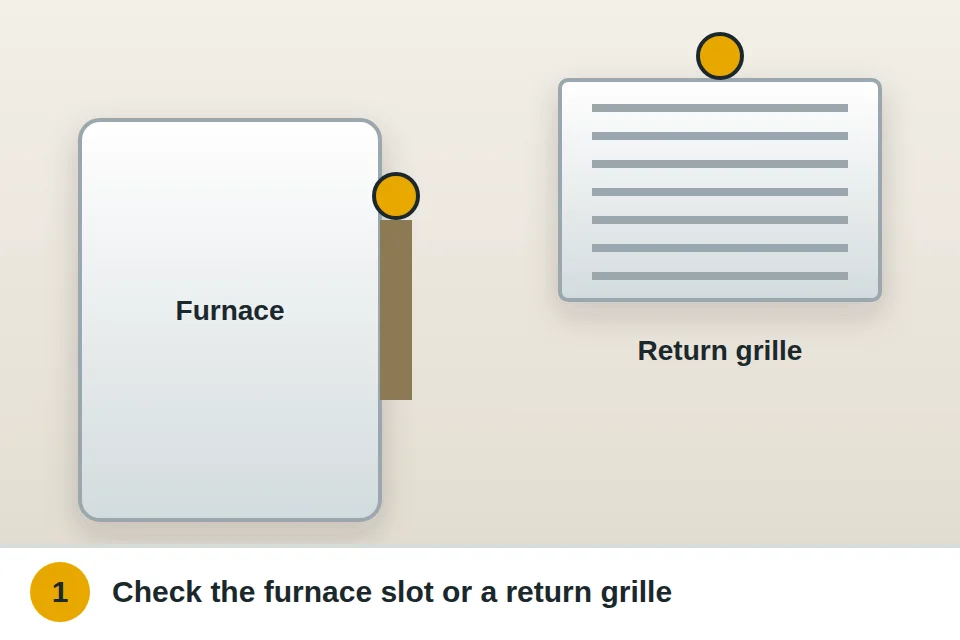
- Find the filterIt's usually in a slot beside the furnace, or behind a big return-air grille in a wall, ceiling or hallway.
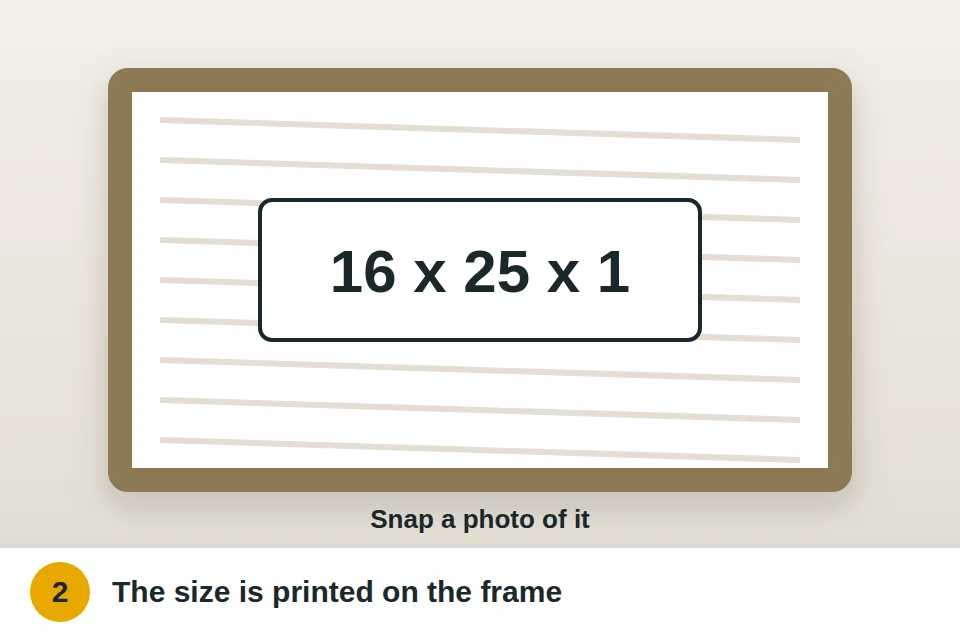
- Read the sizeIt's printed on the frame, something like 16x25x1. Snap a photo so you never have to pull it out at the store again.
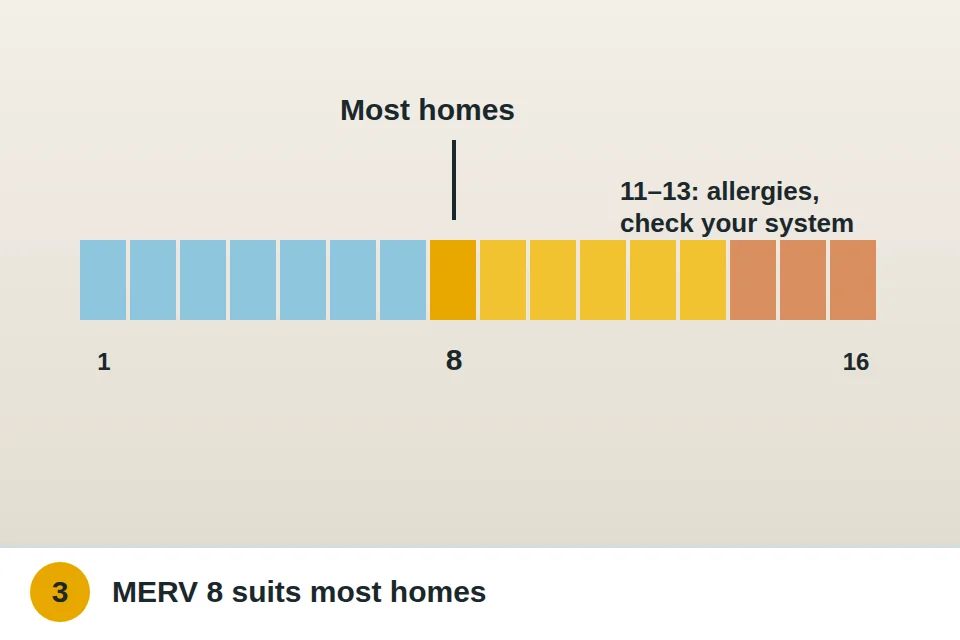
- Pick a ratingMERV 8 is right for most homes. MERV 11 to 13 catches more pollen and pet dander, but on older systems thicker filters can restrict airflow, so check your manual.
- Swap it, arrow toward the unitSlide the old one out, slide the new one in with the arrow pointing toward the furnace, and close the cover.
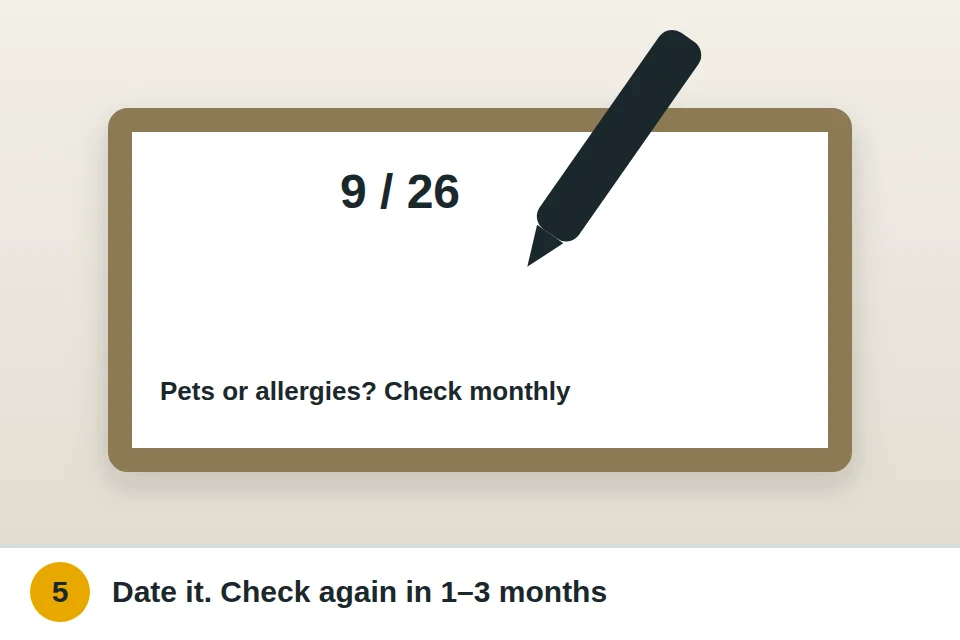
- Write the date on the frameReplace 1-inch filters every 1 to 3 months. Check monthly if you have pets, allergies, or dusty construction nearby.
Still not fixed?
If airflow is still weak with a new filter, check that supply vents and return grilles aren't blocked by furniture or rugs.
Ice on the refrigerant lines or indoor coil, even after a filter change, means it's time to call a technician.
What a pro charges: Filters cost $8–$30. An HVAC tune-up, which includes a filter check, typically runs $90–$200.
Common questions
What happens if I never change my air filter?
Your system works harder, energy bills rise, dust increases, and a badly clogged filter can cause the coil to freeze or the furnace to overheat.
Does a higher MERV rating always mean better?
Not always. Higher MERV filters catch more, but they restrict airflow. Many older systems work best with MERV 8.
Where is my HVAC filter?
Check beside the furnace or air handler, in a slot on the return duct, or behind a large return-air grille in a hallway, wall or ceiling.