Water leaking from the AC: clear a clogged condensate drain
Water pooling around the indoor AC unit or furnace in summer usually means the condensate drain is clogged. An air conditioner pulls moisture out of the air, and that water drains away through a small pipe. When slime blocks the pipe, the water backs up into the pan and overflows, or a safety switch shuts the cooling off.

Where the water comes from
As the AC cools, water condenses on the indoor coil, drips into a pan, and flows out through a small plastic drain line to a floor drain, outdoors, or a small pump. High-efficiency furnaces make water in winter too. The line is narrow, and algae and slime grow in it.
Many systems have a float switch that turns the cooling off when the pan fills, so a clogged drain can look like an AC that simply quit.
Why the drain clogs
It grows in the warm, wet drain line.
Dirt collects on the coil and washes into the drain.
The water can't be pumped away.
Water can't flow downhill.
| What you see | Likely cause | What to do |
|---|---|---|
| Water around the indoor unit in summer | Clogged condensate drain | Vacuum and flush the line. |
| The AC stopped and the pan is full | Float switch tripped | Clear the drain, then restart. |
| Water near a small pump | Failed or clogged pump | Check power and the float; replace if needed. |
| Ice on the coil or lines | An airflow or refrigerant problem | Turn cooling off; see the AC guide. |
Let's fix it
- Turn the system offSet the thermostat to OFF, then switch off the furnace or air handler at its power switch or breaker before working around the unit.

- Find the drain lineLook for a plastic pipe, often 3/4 inch, coming out of the indoor unit, sometimes with a T-shaped fitting and a cap near the unit. Follow it to where it ends: outside, at a floor drain, or at a small pump.

- Vacuum the clog outWhere the line ends outside or at a floor drain, seal the wet/dry vacuum hose around the pipe with tape or a rag and run it for a minute or two, with the cap near the unit left on so the suction pulls on the clog. It usually pulls the slime out.

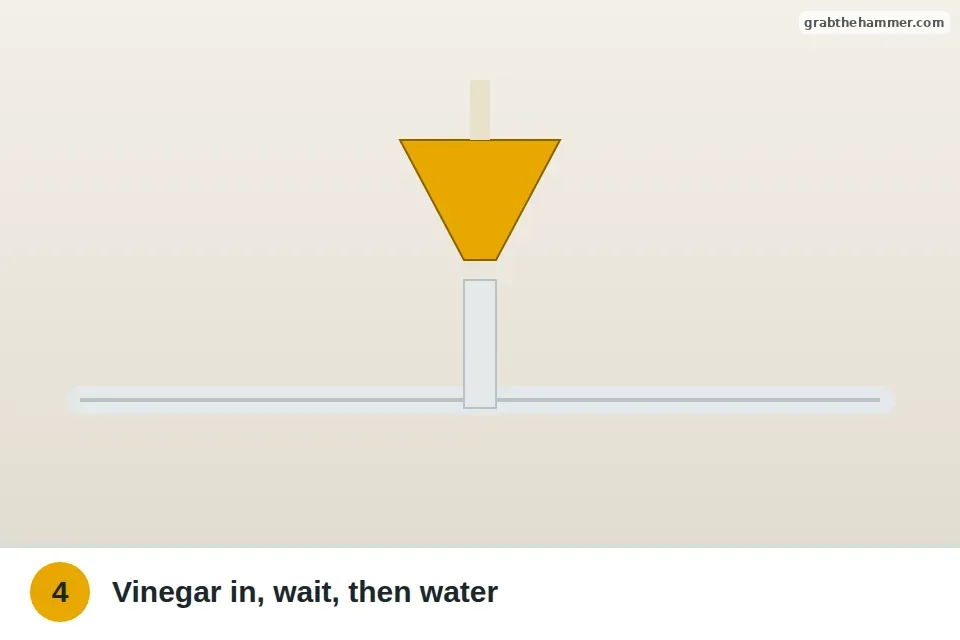
- Flush the lineTake the cap off the fitting near the unit and pour in about a cup of vinegar, unless your system's manual says otherwise. Let it sit about 30 minutes, then pour in water and make sure it flows out freely.
- Dry it and restartEmpty and dry the pan, clean up any water, and turn the power and thermostat back on. After the system has run a while, check that water is dripping from the end of the drain line.

If it keeps backing up
If the line clears but clogs again quickly, dust may be getting past the filter. Change it, and have the coil checked at the next tune-up.
If there's a condensate pump, check that it's plugged in and that its float moves freely. Pumps wear out, and replacing one is a common repair.
If water is dripping from a pipe over a window or under the eaves, that's usually the backup drain doing its job, which means the main drain is clogged. Clear the main line.
What a pro typically charges (a rough estimate; prices vary by area): An HVAC technician typically charges $100–$250 to clear a condensate drain, and $150–$350 to replace a condensate pump.
Other heating and cooling problems
Condensate drain questions
Why is my AC leaking water inside?
A clogged condensate drain is the usual reason. The water backs up and overflows the pan.
Can I use bleach in the AC drain line?
Some manufacturers allow a diluted amount; others recommend vinegar or plain water. Follow your system's manual, and never mix cleaners.
Why did my AC stop, with water in the pan?
Many systems have a float switch that shuts the cooling off when the pan fills, to prevent a flood.
How often should I clean the drain line?
Check it at the start of cooling season and flush it every month or two in summer.
Still stuck? Ask us
Tell us what you're seeing and what you've tried. We read every question, and the ones that will help other people get answered on this page.