Remove salt stains from floors and carpet
Rock salt and ice melt tracked in on boots dry into a white, chalky film on floors and a crusty white line in carpet. Salt is gritty and can scratch finishes, and some ice melts, especially calcium chloride, leave an oily film that regular mopping smears around. The fix is to get the dry salt up first, then dissolve the rest with the right cleaner for your floor. Hardwood, natural stone and carpet each need a slightly different approach.


What winter salt does to floors
Most ice melts are salts: sodium chloride (rock salt), calcium chloride, magnesium chloride or blends. They work by dissolving into the snow and lowering its freezing point, and the salty slush clings to boots, paws and stroller wheels. Inside, the water evaporates and leaves the salt behind as a white crust. On hard floors it shows up as a chalky haze or footprints, and the sharp crystals act like fine grit that scratches finishes when you walk on them. Calcium and magnesium chloride also attract moisture from the air, so they can leave a damp, oily film that streaks when you mop.
Salt dissolves in water, so the cure is gentle moisture and lifting it out, not scrubbing it in. On sealed wood and laminate, too much water does its own damage, so a damp microfiber cloth with a pH-neutral floor cleaner is safest. On ceramic tile and synthetic carpet, a mild vinegar solution helps break up the residue. Natural stone such as marble, travertine and limestone is etched by acids, including vinegar, so it needs a neutral stone cleaner. Rinsing with clean water matters on every surface; leftover cleaner or salt keeps showing up as a haze.
Why salt stains appear
Dries to a white, powdery film.
Leaves an oily or sticky film that smears.
Spreads salt into a streaky haze.
Every step brings more in.
Salt crystals scratch the finish as you walk.
| You notice | Likely cause | Start at |
|---|---|---|
| Gritty white powder at the door | Dry salt | Step 1 |
| White haze on wood, laminate or vinyl | Salt film on a sealed floor | Step 2 |
| Streaks on tile or stone | Salt film on tile or stone | Step 3 |
| White crusty line in carpet | Salt in the fibers | Step 4 |
| Haze or stickiness after cleaning | Leftover salt or cleaner | Step 5 |
| Keeps coming back every storm | Needs mats and a boot routine | Step 6 |
Let's fix it
- Sweep or vacuum the dry salt firstBefore using any water, get the loose salt up. Sweep hard floors with a soft broom or dust mop, or vacuum with a hard-floor setting and no beater bar. On carpet, vacuum slowly in a few directions to lift the crystals out of the fibers. Removing the grit first keeps it from scratching the finish when you wipe, and keeps you from turning dry salt into more salty water. Shake out entry mats outside. Do this within a day or two of the salt coming in, before more foot traffic grinds it into the finish.

- Clean wood, laminate and vinyl gentlyLightly mist a pH-neutral cleaner made for your floor onto a microfiber mop pad or cloth, or onto a small section of floor. Wipe with the grain, a few square feet at a time, and rinse or swap the pad often, since a white or gray pad means it's lifting salt. Follow with a pass using a pad dampened with plain water, then dry the floor with a clean towel or dry pad. For an oily calcium chloride film, repeat the cleaner and rinse passes. Keep moisture light; the floor should dry within a minute or two. See the guide for dull hardwood if a haze remains. Use no more than a light mist; standing water left for more than a few minutes can seep into seams of wood and laminate and make the edges swell.

- Clean tile, and treat stone differentlyOn ceramic or porcelain tile, mop with warm water and a few drops of dish soap, or a solution of 1 part white vinegar to about 4 parts warm water for stubborn salt. Wring the mop well, work in small areas and rinse with clean water. Scrub grout lines with a soft brush; salt collects there. Dry the floor. For marble, travertine, limestone or slate, skip vinegar and use a pH-neutral stone cleaner, since acids etch stone and leave dull spots. If you're not sure whether your tile is stone, treat it as stone. If you aren't sure whether a floor is natural stone or porcelain made to look like stone, treat it as stone and skip the vinegar.

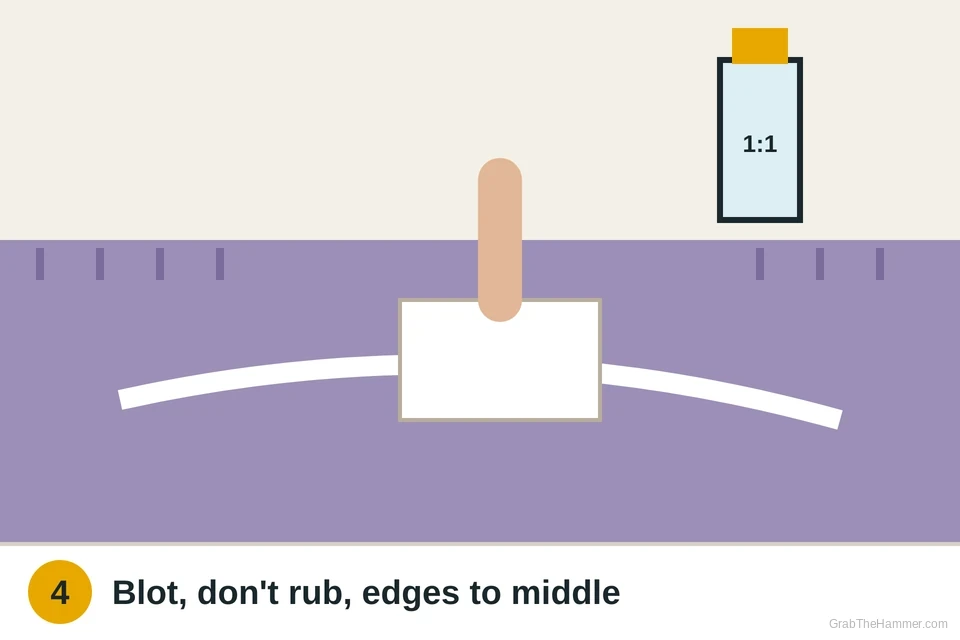
- Lift salt out of carpetMix equal parts warm water and white vinegar in a spray bottle or bowl, and add a drop of dish soap if you like. Test it on a hidden spot of carpet first. Lightly spray or dab the solution onto the white line, wait about 5 minutes, then blot firmly with a clean white towel, working from the outside of the stain toward the middle. Don't rub, which frays the fibers. Repeat until the white is gone. Then blot with a towel dampened with plain water to rinse out the vinegar and salt. For wool carpet or rugs, follow the care label or ask a cleaner.
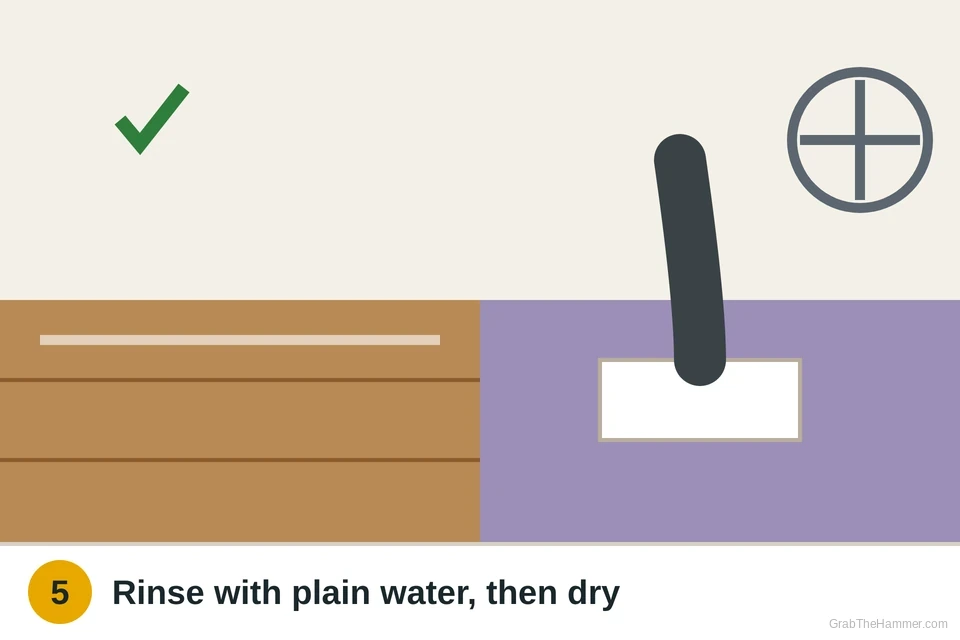
- Rinse and dry everythingSalt and cleaner left behind will show up again as a haze when the floor dries. Do a final pass on hard floors with a pad or mop dampened in clean water, then dry with a towel or dry microfiber pad. On carpet, press a dry towel into the area and stand on it to soak up moisture, then run a fan on it until it's fully dry, usually a few hours. Vacuum carpet once dry to lift the fibers. Check the area in daylight; repeat the clean and rinse on any remaining spots. If a haze comes back after a day, repeat the plain water pass once more.
- Stop salt at the doorPut a coarse scraper mat outside each entry door and an absorbent mat inside, long enough for two or three steps, and shake or vacuum them often. Keep a boot tray by the door so wet boots don't drip on the floor. Ask everyone to take off shoes at the door during salty weeks, and wipe pets' paws with a damp towel. Outside, use only as much ice melt as you need, and sweep up leftover crystals from steps and walks once the ice is gone. See how to melt ice without damaging concrete.

Watch it done
- No white haze or footprints when the floor is dry
- Carpet fibers feel soft, not crunchy
- A clean cloth wiped on the floor comes up clean
- Stone floors keep their shine
Haze still there on wood? The finish may be worn; see the dull floor guide.
If it comes back
If the haze returns every day, salt is still being tracked in. Mats outside and inside the door, a boot tray and a no-shoes rule during salty weeks make the biggest difference.
If hardwood looks gray or rough where people walk, the finish may have worn through from salt and grit. See the guide for dull hardwood floors and how to fix scratches in hardwood.
If laminate or vinyl planks swell or lift near the door, water from boots is getting into the seams. See the guide for a buckling laminate floor.
What a pro typically charges (a rough estimate; prices vary by area): A carpet cleaner typically charges about $100–$250 for a room or two. Stone polishing or a hardwood screen and recoat usually starts around a few hundred dollars.
Find a floor cleaning pro near you