Fix peeling paint on a wall or ceiling
Paint peels when something keeps it from sticking: moisture, dirt or grease under it, or paint put over a glossy surface without primer. Painting over the peel won't last. Scrape off everything loose, smooth the edges, prime, and repaint, after fixing whatever caused it in the first place.

Why paint peels
Bathroom ceilings and walls near showers peel most often, because steam gets behind the paint. Kitchens are next, where grease builds up before a repaint.
Old glossy paint is another common culprit. New paint rolled right over it has nothing to grip and comes off in sheets.
What makes paint lose its grip
Steam or a leak pushes the paint off.
The paint can't grip.
The paint sticks to the dirt, not the wall.
Old paint gives way under new.
| Where | Likely cause | Fix |
|---|---|---|
| Bathroom ceiling | Steam | Fix the fan; moisture-resistant paint. |
| One spot on a ceiling | A leak above | Find the leak first. |
| Comes off in sheets | Paint over gloss | Scrape, bonding primer, repaint. |
| Kitchen walls | Grease | Degrease, prime, repaint. |
Let's fix it
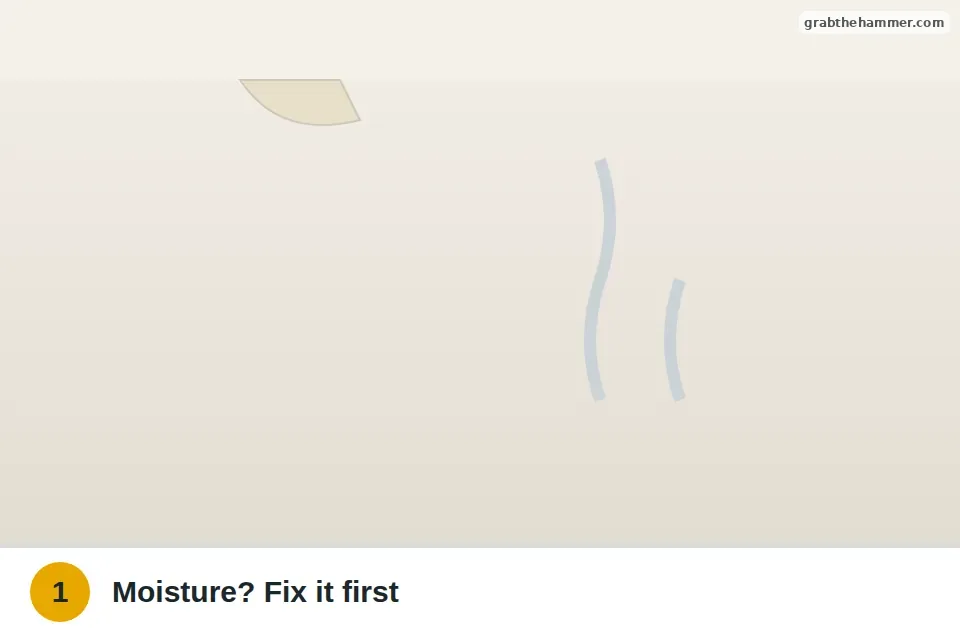
- Find the causeLook for moisture: a bathroom without a working fan, a leak above, or condensation. Fix that first, or the new paint will peel too. If the house was built before 1978, test the paint for lead before you scrape.
- Scrape off the loose paintSlide a putty knife or scraper under the peeling edges and take off everything that lifts easily. Stop where the paint is stuck firmly.

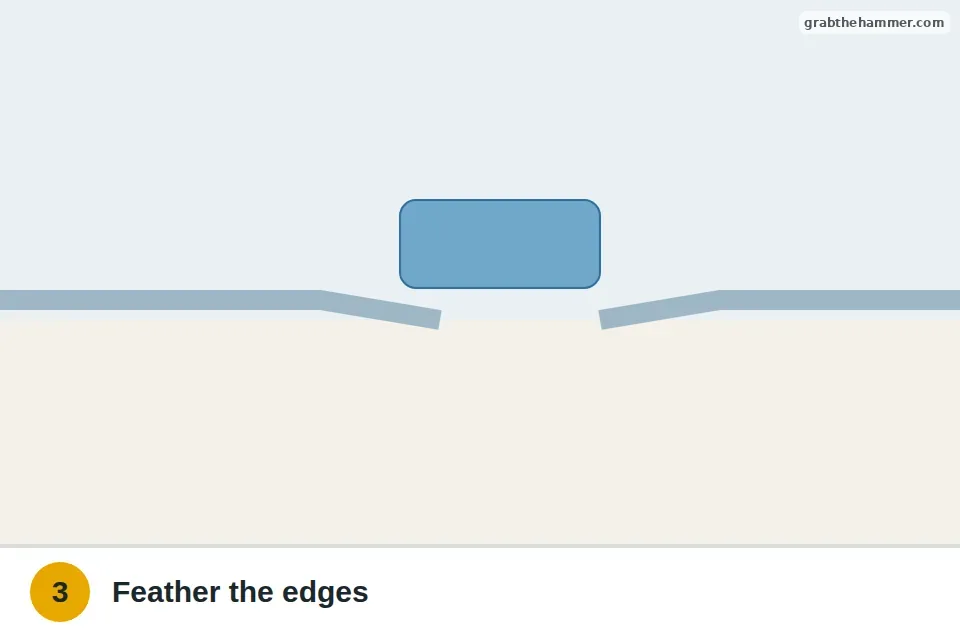
- Smooth the edgesSand the edges of the scraped area so they taper into the good paint. If the edge is still visible, skim it with lightweight spackle, let it dry and sand again.
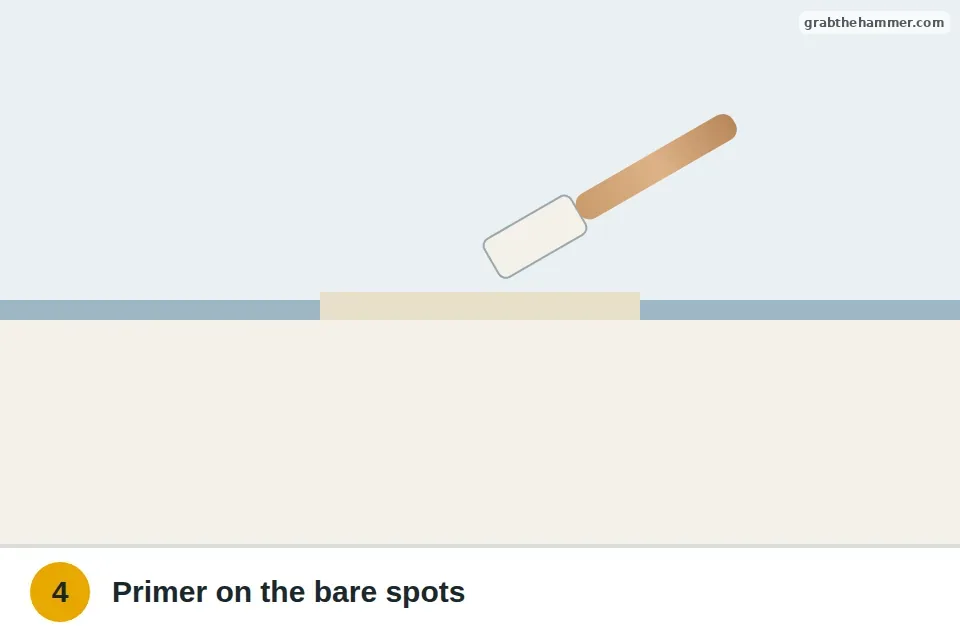
- Clean and primeWipe off the dust with a damp cloth (use a degreaser first on kitchen walls) and let it dry. Prime the bare spots with a bonding or stain-blocking primer, following the can.
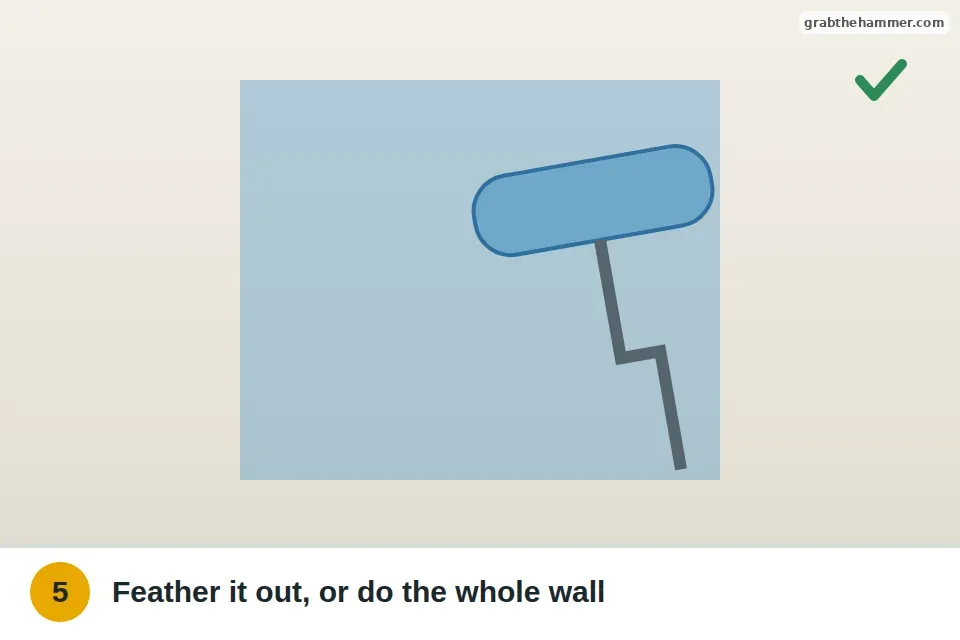
- RepaintPaint the area, feathering out into the surrounding wall, or repaint the whole wall or ceiling for an even finish. In bathrooms, use a paint made for moisture.
If it peels again
If it peels again in a bathroom, the fan probably isn't moving enough air. Run it longer, and check that it vents outside.
If it peels in the same spot on a ceiling, look for a slow leak above, such as a bathroom or the roof.
What a pro typically charges (a rough estimate; prices vary by area): A painter typically charges $200–$500 to repair and repaint a peeling bathroom ceiling or wall.
Related wall jobs
Peeling paint questions
Can I paint over peeling paint?
No. Scrape off everything loose and prime first, or the new paint will peel along with the old.
Why does my bathroom ceiling paint peel?
Steam. The fan isn't clearing enough moisture, so it gets behind the paint.
What primer should I use?
A bonding primer over glossy paint, or a stain-blocking primer over water stains. Check the can for your surface.
How do I know if old paint has lead?
Home test kits and certified inspectors can check. Assume it might if the house was built before 1978.
Still stuck? Ask us
Tell us what you're seeing and what you've tried. We read every question, and the ones that will help other people get answered on this page.